Program boundary
Identify the non-restricted application, requirement authority, and any manual review conditions.
Aerospace & Defense request guide
Share non-restricted part context, drawings, materials, critical features, documentation needs, and program requirements. Pearson reviews eligibility and request scope before any manufacturing path is considered.
Capability review
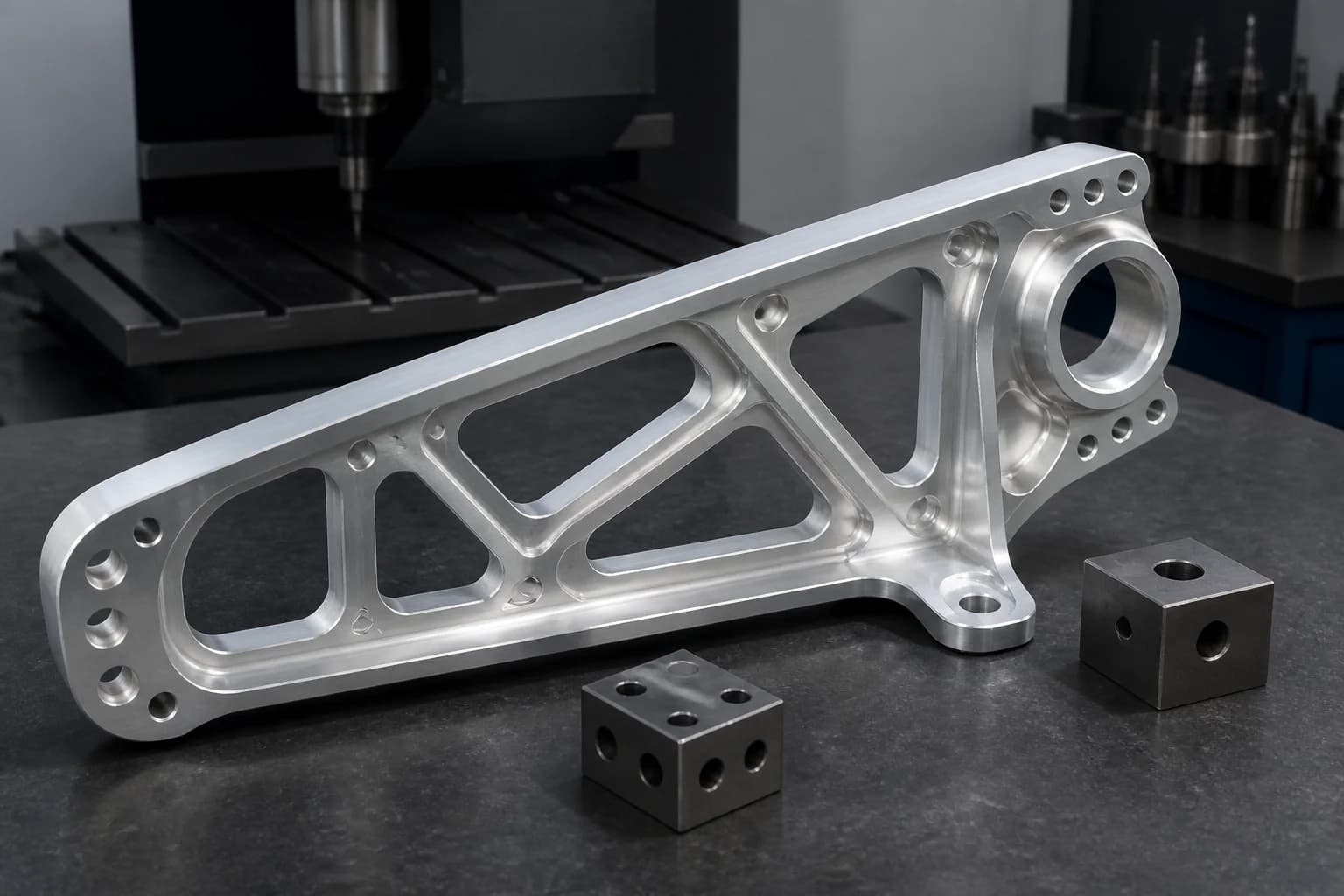
This page describes common request types. Available processes, equipment, tolerances, inspection, documentation, and fulfillment are confirmed for each quote.
Overview
Aerospace requests are easier to review when part function, revision authority, critical geometry, material identity, special processes, and the expected evidence package arrive together.
Identify the non-restricted application, requirement authority, and any manual review conditions.
Pair the model with a controlled drawing that identifies datums, interfaces, and critical features.
List requested material records, inspection content, special-process records, and marking instructions.
Industry request review
Restricted or regulated work is not accepted through the standard quote workflow. Contact Pearson for a manual eligibility review before sharing controlled technical data. Review does not guarantee acceptance.
Quote inputs
Provide what is controlled, identify what is still open, and avoid assumptions about eligibility or documentation.
Interactive request review
Use the three markers to connect program context, part definition, and acceptance evidence.
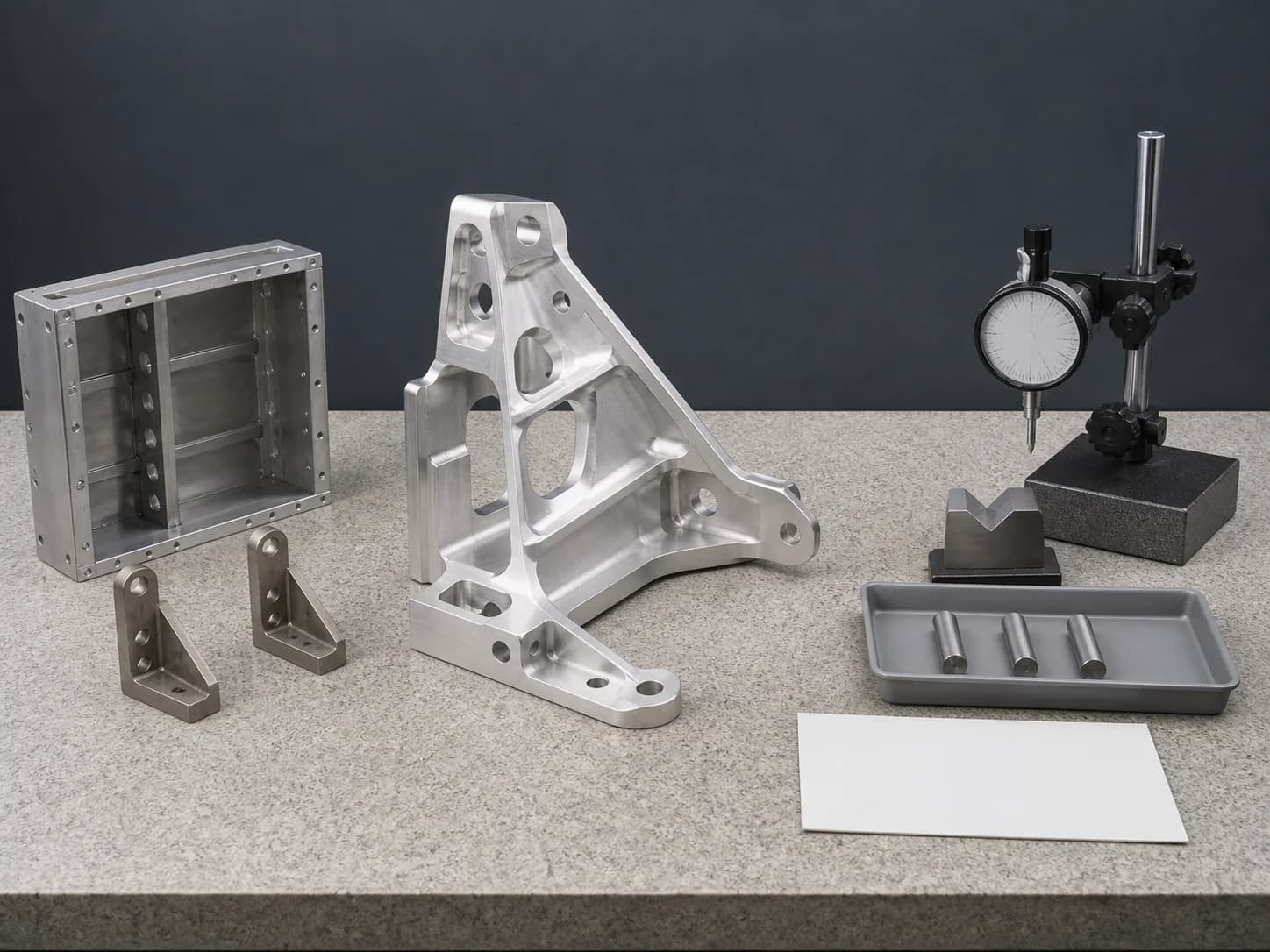
Aerospace & Defense request feature map
Bracket interfaces and neutral inspection setup
Illustrative planning reference only. Markers do not establish part function, capability, compliance, acceptance, or suitability.
Aerospace & Defense request review
Choose a marker to review the supporting inputs.
State the non-restricted application, requirement authority, revision, quantity, and program-review boundary.
Helpful request detail
Begin with a non-sensitive summary and the current document index.
Request contexts
Choose the context that best explains the request; acceptance still depends on manual review.
Define test intent, controlled interfaces, expected revisions, and the evidence needed for evaluation.
Identify governing documents, supplier qualifications, special processes, and program eligibility questions.
Provide the approved baseline, change status, quantities, records, and acceptance instructions.
Explain use, locating features, loads, interfaces, marking, and inspection expectations.
Quote review flow
The review keeps program boundaries and manufacturing assumptions visible before acceptance.
Provide the current drawing, model, revision, aerospace and defense context, quantity, and target timing.
Identify governing documents, precedence, approved substitutions, restricted data, and customer-controlled decisions.
Connect material, geometry, interfaces, process history, finish, inspection, documentation, and packaging requirements.
Pearson confirms accepted scope, routing, records, timing, and open questions before work proceeds.
Request readiness
Use the drawing and request notes to make functional intent and evidence needs explicit.
Connect datums to assembly interfaces and identify only the relationships that control function.
Identify trapped features, deep pockets, thin walls, and any allowed alternate feature approach.
State grade, temper or condition, stock form, substitution authority, and required material records.
Identify sealing, bearing, handling, and intentionally sharp edges instead of relying on a blanket note.
Provide the required process, revision, masking areas, affected surfaces, and evidence request.
List first-article, inspection, material, marking, serialization, and approval records requested for review.
Materials
Use these guides for request vocabulary; grade, condition, evidence, and route remain project-specific.
Reference 6061 and 7075 grade, temper, stock form, interfaces, and finish notes.
View materialReference precipitation-hardening or corrosion-related requirements without assuming process fit.
View materialDefine polymer grade, condition, stability, interfaces, and environmental context.
View materialDefine alloy, electrical or thermal function, joining limits, and finish requirements.
View materialRelated services
Explore process guides, then let the reviewed drawing determine the manufacturing path.
Review milled geometry and drawing inputs.
Review flatness and surface relationships.
Review intricate or hard-material feature requests.
Review inspection and documentation inputs.
Review shafts, pins, sleeves, and concentric features.
Review assembly and acceptance requirements.
FAQ
These answers describe the review boundary; they do not establish program eligibility or acceptance.
A manufacturing path is considered only after capability, supplier, documentation, and program requirements are reviewed. The proposed path is confirmed before an eligible request proceeds.
Restricted or regulated work is not accepted through the standard quote workflow. Contact Pearson for a manual eligibility review before sharing controlled technical data. Review does not guarantee acceptance.
List the requested material, inspection, first-article, marking, and special-process records. Scope and evidence are reviewed before acceptance.
Identify functional datums, interfaces, and CTQ relationships on the controlled drawing. Achievable requirements are assessed during review.
Provide a non-sensitive summary, current model and drawing, material condition, quantities, target timing, and documentation list.
Do not share controlled technical data through the standard workflow. Begin with a manual eligibility review and follow the resulting instructions.
Start with the request
Describe the application and review needs without controlled technical data. Pearson will respond with the appropriate next step.
Request an eligibility review