Coating and finishing services

Coating and finishing requests, organized around substrate, preparation, masking, and final-surface intent.

Powder coating, paint, anodizing, conversion coating, passivation, plating, blasting, brushing, polishing, and other finish requests can involve different substrate, preparation, dimensional, appearance, and inspection requirements. Share the exact finish designation, service objective, part and surface condition, coated and masked zones, critical fits and contacts, colour or texture reference, quantity, timing, and acceptance criteria so the request can be organized and a project path confirmed before acceptance.

  • Finish system and substrate context
  • Masking, build, and appearance review
  • Scope confirmed per quote
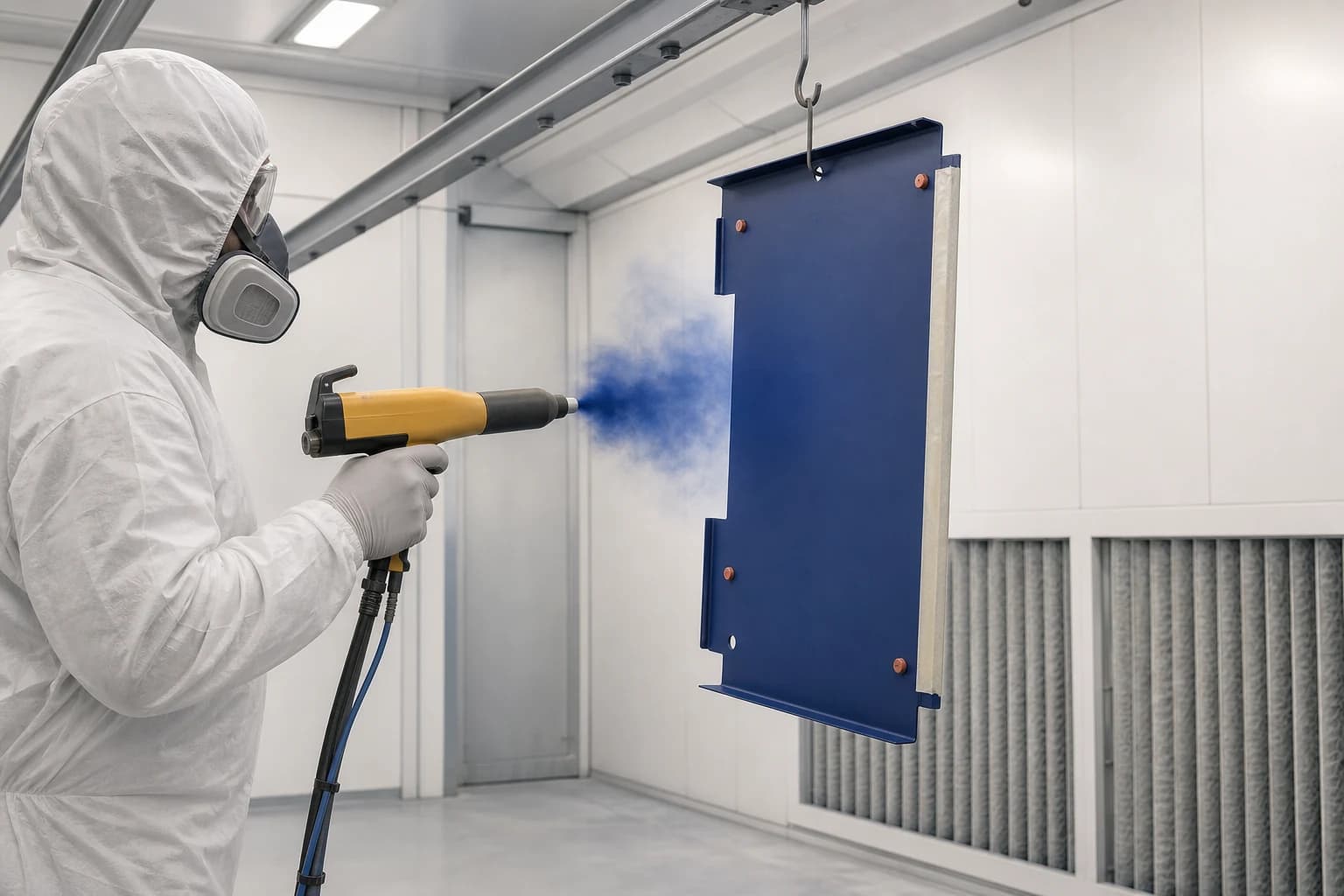
Illustrative powder-coating booth with a masked steel equipment panel suspended from a metal rack while an operator applies blue powder
Illustrative powder-coating process referenceCoating & Finishing

Capability review

This page describes common request types. Available processes, equipment, tolerances, inspection, documentation, and fulfillment are confirmed for each quote.

Overview

A finish request works best when function, appearance, and keep-clear zones share one definition.

The selected finish is only one part of the requirement. The substrate and its current condition, preparation method, finish system and governing definition, service environment, coated and coating-free boundaries, threads and fit surfaces, build allowance, rack or contact restrictions, colour, gloss, texture, cosmetic zones, inspection method, and acceptance criteria all shape the review. Coating and finishing requirements should be defined without assuming a preparation route, dimensional result, appearance outcome, test result, fulfillment path, or availability before quoting.

Substrate, finish system, and preparation

Identify the base material and grade, current surface and prior treatments, required finish designation or product reference, service objective and exposure context, and any specified cleaning, blasting, brushing, polishing, or other preparation requirement.

Masking, build, and functional interfaces

Mark every coated, masked, and keep-clear region, including threads, bores, datums, bearing or sliding fits, sealing faces, electrical contacts, mating pads, fastener seats, identification areas, and dimensions controlled before or after finish.

Appearance, inspection, and acceptance

Define cosmetic faces, colour or sample reference, gloss, texture, direction, acceptable variation, coating-thickness requirement when specified, inspection method and coverage, acceptance criteria, and documentation or protection needs.

Fulfillment review

Requests are reviewed manually. The fulfillment route and availability are confirmed before acceptance.

Quote inputs

The information that starts a useful coating and finishing review.

The quote form accepts private files or a written project description, plus optional process, material, material-source, quantity, and timing details. Select Finishing when useful, then name the exact finish system and open requirements in the description.

Part, substrate, and current condition
STEP or STP model, matching PDF drawing, or clear sample photos; base material and grade; heat-treated, plated, painted, coated, welded, cast, machined, repaired, weathered, contaminated, or otherwise relevant starting condition; overall size, cavities, threads, joints, and features that affect preparation or handling
Finish system and governing definition
Requested powder coating, paint, anodizing, conversion coating, passivation, plating, chemical finish, blasting, brushing, polishing, or other surface treatment; exact designation, product, colour, sample, service objective, exposure context, sequence, and governing customer specification when already defined
Preparation, masking, and dimensional intent
Current and required surface condition, burr or edge requirement, specified cleaning or preparation, coated and coating-free zones, threads and bores, datums and contacts, sealing and fit surfaces, allowance, dimensions controlled before or after finish, rack or contact restrictions, drainage and venting context
Appearance, inspection, quantity, and timing
Cosmetic and non-cosmetic faces, colour, gloss, texture, direction, acceptable variation, thickness requirement when specified, inspection method and measurement locations, coverage or sampling, acceptance criteria, documentation and protection needs, quantity, and target timing
Interactive finish planning

Explore the references that make a finish request easier to review.

Select a stage on the fixed planning board to see what the bare part, masked boundaries, and finished appearance should communicate before the process and acceptance path are confirmed.

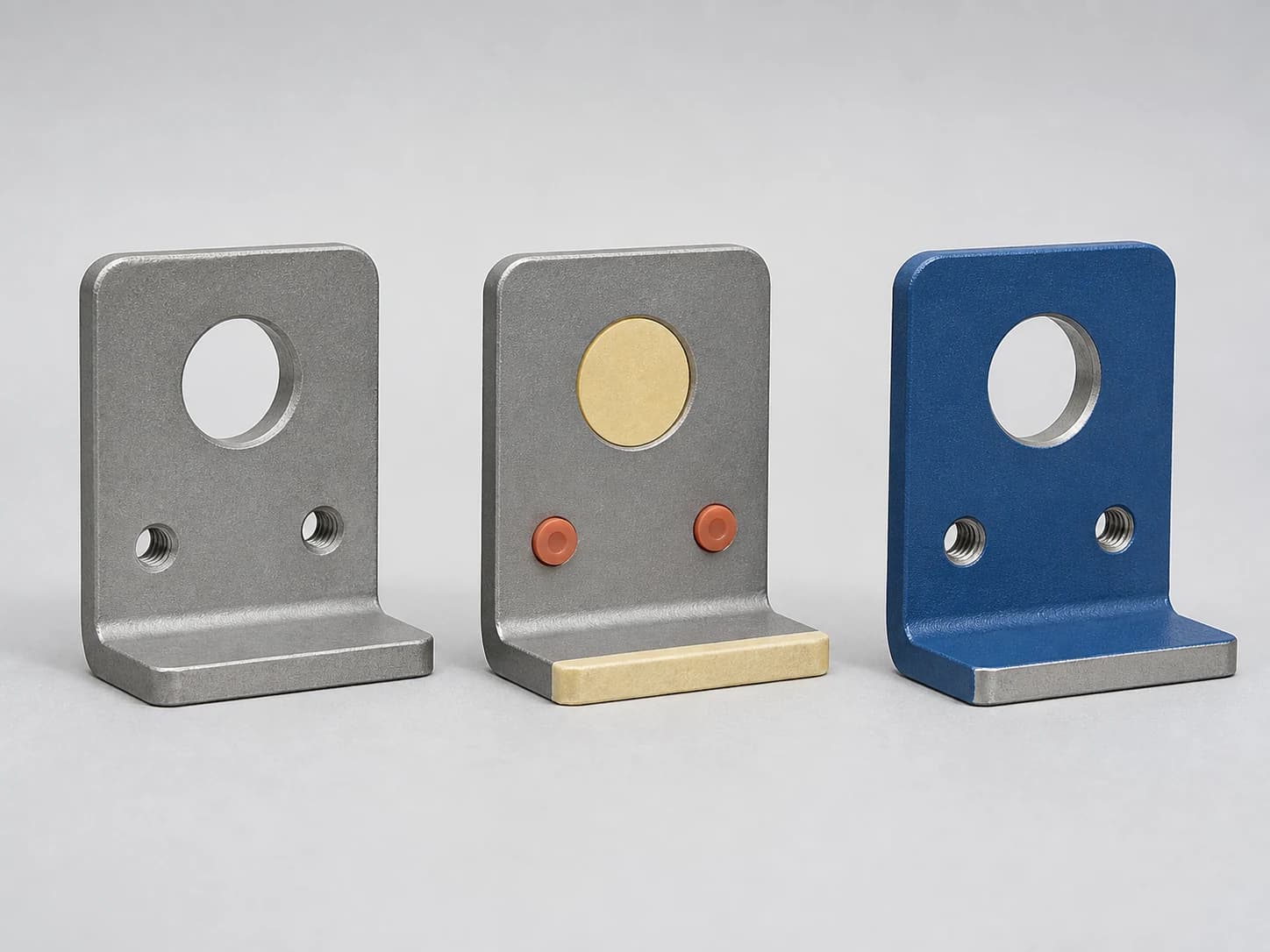
Illustrative coating-planning board with matching steel brackets shown as bare, masked, and blue finished references

Finish planning references

The matching brackets separate the incoming surface, masked features, and finished appearance so each request driver stays visible.

Illustrative example only; markers identify request-review areas, not original material, preparation, finish specification, coating thickness, colour approval, inspection result, or process qualification.

Coating and finishing review

What should the finish definition explain?

Select a review feature to see the details that help clarify the request.

Base material, current condition, and preparation intent

The finish request should identify the base material, incoming condition, existing surface, prior processing, and specified preparation instead of leaving the starting condition implicit.

  • Base material or alloy, stock form, current condition, and prior coating or treatment
  • Requested finish process, governing specification, type or class, and sequence when defined
  • Cleaning, deburring, blasting, brushing, polishing, or other preparation intent when specified

Helpful drawing detail

Include the material and current-condition notes with the model and drawing, then identify the required finish, governing specification, sequence, and any explicitly defined preparation or protected surface.

Start with your finish requirements
Process fit, equipment fit, achievable requirements, material and sequence needs, inspection, fulfillment, and timing are confirmed from the project information during quote review.

Capabilities

Common coating and finishing request patterns, kept easy to scan.

These examples help organize the starting point. Process fit, substrate and preparation needs, achievable dimensional and appearance requirements, inspection scope, fulfillment, and availability are confirmed from the project files.

Powder coating and paint requests

Organic finishes

Powder, liquid-paint, primer, topcoat, textured, smooth, colour-matched, multistage, repair, strip-and-refinish, touch-up, and sample-led requests reviewed from the substrate and current condition, governing finish definition, service and exposure context, preparation, coated and masked zones, build and fit intent, appearance, inspection, and handling requirements.

Anodizing and conversion-coating requests

Aluminum finishes

Anodic and conversion-finish requests reviewed from the aluminum alloy and temper, prior processing and current surface, exact customer designation, colour or sample, coated and masked zones, dimensional-change and fit intent, electrical contact areas, cosmetic faces, sequence, inspection method, and acceptance criteria.

Passivation, plating, and chemical-finish requests

Chemical and metallic finishes

Passivation, electroplated, autocatalytic, conversion, oxide, strip-and-refinish, and other chemical-finish requests reviewed from the base material, exact process and governing definition, current surface, service objective, preparation, masking, build allowance, hydrogen-sensitive or sequence notes when already specified, appearance, inspection, and documentation requirements.

Surface preparation, cosmetic finishing, masking, and inspection requirements

Preparation and acceptance

Cleaning, deburring, blasting, brushing, polishing, sanding, edge, weld-cleanup, masking, plug, cap, rack-contact, cosmetic-zone, sample-reference, marking, thickness, inspection, repair, and protected-surface requests reviewed as part of the overall finish definition and acceptance plan.

Quote workflow

From part and finish definition to a confirmed project path.

A short, human-managed review keeps substrate, preparation, masking, dimensional, appearance, inspection, and open requirements visible before work is accepted.

  1. 01

    Share the part and finish definition

    Upload the model and drawing or sample photos, then add substrate and current condition, exact finish request and governing definition, service objective, coated and masked zones, dimensions and fits, cosmetic requirements, inspection needs, quantity, and timing.

  2. 02

    Review the finish drivers

    Substrate compatibility, current surface, preparation, sequence, finish boundaries, masking, coating allowance and fit relationships, rack or contact restrictions, colour, gloss, texture, appearance zones, inspection method, acceptance criteria, and open questions are organized for follow-up.

  3. 03

    Confirm the project path

    Process fit, preparation and equipment fit, achievable dimensional and appearance requirements, material and sequence needs, inspection method and scope, fulfillment, timing, and remaining questions are resolved before acceptance.

  4. 04

    Coordinate the approved requirements

    The approved part definition, revision, substrate, starting condition, finish system, preparation, coated and masked boundaries, dimensions, appearance references, inspection criteria, documentation, and protected-surface notes become the reference point for project communication.

Request readiness

Small decisions that make coating and finishing requests easier to review.

Clear substrate, boundary, build, appearance, and acceptance intent is more useful than assuming a finish route or performance outcome.

Design intent before assumptions
  1. 01

    State the exact substrate and current surface condition.

    Identify material and grade, temper or heat-treatment condition, casting, machining or fabrication state, welds, burrs, scale, oxide, oil, prior coatings or plating, repairs, damage, contamination, and any surfaces whose current condition is uncertain.

  2. 02

    Name the finish system and governing definition.

    Provide the requested process family, customer designation or governing specification, product or chemistry when prescribed, colour or approved sample, layer sequence, service objective, exposure context, and any process or material restrictions already known.

  3. 03

    Map coated, masked, and keep-clear zones directly on the definition.

    Mark all threads, bores, datums, bearing or sliding fits, sealing faces, electrical contacts, mating pads, fastener seats, adhesive areas, identification zones, cosmetic transitions, holes requiring plugs, and regions that may or may not receive finish.

  4. 04

    Separate pre-finish dimensions from after-finish fit intent.

    State which dimensions apply before or after finish, the specified coating allowance or thickness where required, mating-part relationships, thread and hole intent, assembly clearance, protected edges, and measurement locations instead of expecting finish build to be inferred.

  5. 05

    Define preparation and appearance with usable references.

    Identify the required pre-finish surface, burr and edge condition, specified cleaning, blasting, brushing, polishing or directional preparation, cosmetic and non-cosmetic faces, colour, gloss, texture, direction, reference sample, viewing condition, and acceptable variation.

  6. 06

    State contact, drainage, inspection, and protection requirements.

    Identify permitted rack or contact points, closed cavities, drain and vent paths, trapped-media concerns, inspection method, measurement locations, coverage or sampling, acceptance criteria, repair limits, documentation needs, handling restrictions, and surfaces that need protection.

Materials

Common substrates for coating and finishing review.

Grade, form, current condition, preparation, finish compatibility, masking, dimensional intent, appearance, inspection needs, and availability are confirmed for each request.

FAQ

Coating and finishing quote questions.

Upload a STEP or STP model and matching PDF drawing when available, or clear sample photos. Add substrate and current condition, exact finish process and governing definition, service objective, preparation, coated and coating-free zones, threads and fit surfaces, dimensional or thickness intent, cosmetic faces, colour, gloss, texture, reference sample, inspection method, acceptance criteria, quantity, and timing. Select Finishing in the optional process field when useful and use the project description for the exact system.

Powder coating, paint, anodizing, conversion coating, passivation, plating, chemical finishing, stripping and refinishing, cleaning, blasting, brushing, polishing, sanding, deburring, weld cleanup, masking, marking, appearance, thickness, repair, and inspection requirements may be submitted. Process fit, preparation, achievable dimensional and appearance requirements, inspection scope, fulfillment, and availability are confirmed from the project information.

Mark every coated, masked, and keep-clear region directly on the model or drawing. Identify threads, bores, datums, bearing or sliding fits, sealing faces, electrical contacts, mating pads, fastener seats, adhesive areas, identification zones, plug requirements, cosmetic transitions, permitted rack points, and any boundary whose location or edge condition matters.

State which dimensions apply before or after finish, the specified allowance or thickness when required, mating-part and assembly-clearance intent, threads and holes, sealing or bearing interfaces, measurement locations, and any feature that must remain coating-free. The dimensional effect depends on the substrate, selected process, exact finish system, preparation, geometry, and provider-specific process path, so it is confirmed during review.

Identify cosmetic and non-cosmetic faces, colour or approved sample, gloss, texture, directional pattern, viewing and lighting condition when specified, acceptable variation, thickness locations, inspection or test method, coverage or sampling, acceptance criteria, repair limits, documentation needs, handling restrictions, and protected surfaces.

Requests are reviewed manually. The fulfillment route and availability are confirmed before acceptance.

Start with the files you have

Ready to review your coating and finishing request?

Share the part definition or sample context, substrate and current condition, exact finish system, preparation, coated and masked boundaries, dimensional and fit intent, appearance references, inspection requirements, quantity, and timing. Pearson will follow up on the details that still need confirmation.

Request a finishing quote