Feature and reference intent
Identify every ground face, outside or inside cylindrical surface, honed bore, datum, reference axis, shoulder, transition, relief, and protected feature that belongs in the review.
Grinding and honing services
A ground face, outside diameter, inside diameter, or honed bore needs more than a final size. Share the drawing or sample context, feature scope, starting stock, material and hardness condition, stock allowance, datum or reference axis, access and support context, finished size and form, surface texture or crosshatch intent, process sequence, inspection method, quantity, and timing so the request can be organized and a project path confirmed before acceptance.
Capability review
This page describes common request types. Available processes, equipment, tolerances, inspection, documentation, and fulfillment are confirmed for each quote.
Overview
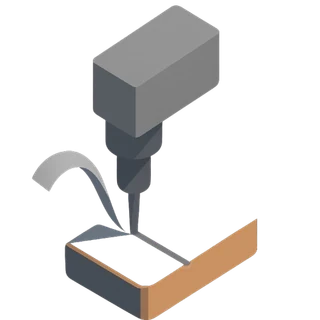
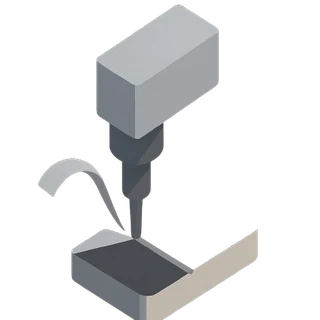
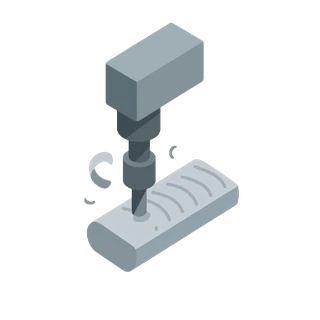
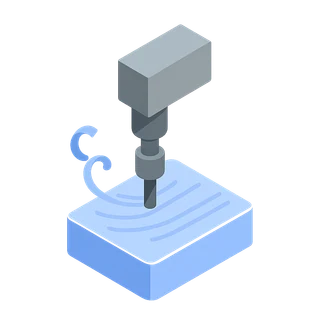
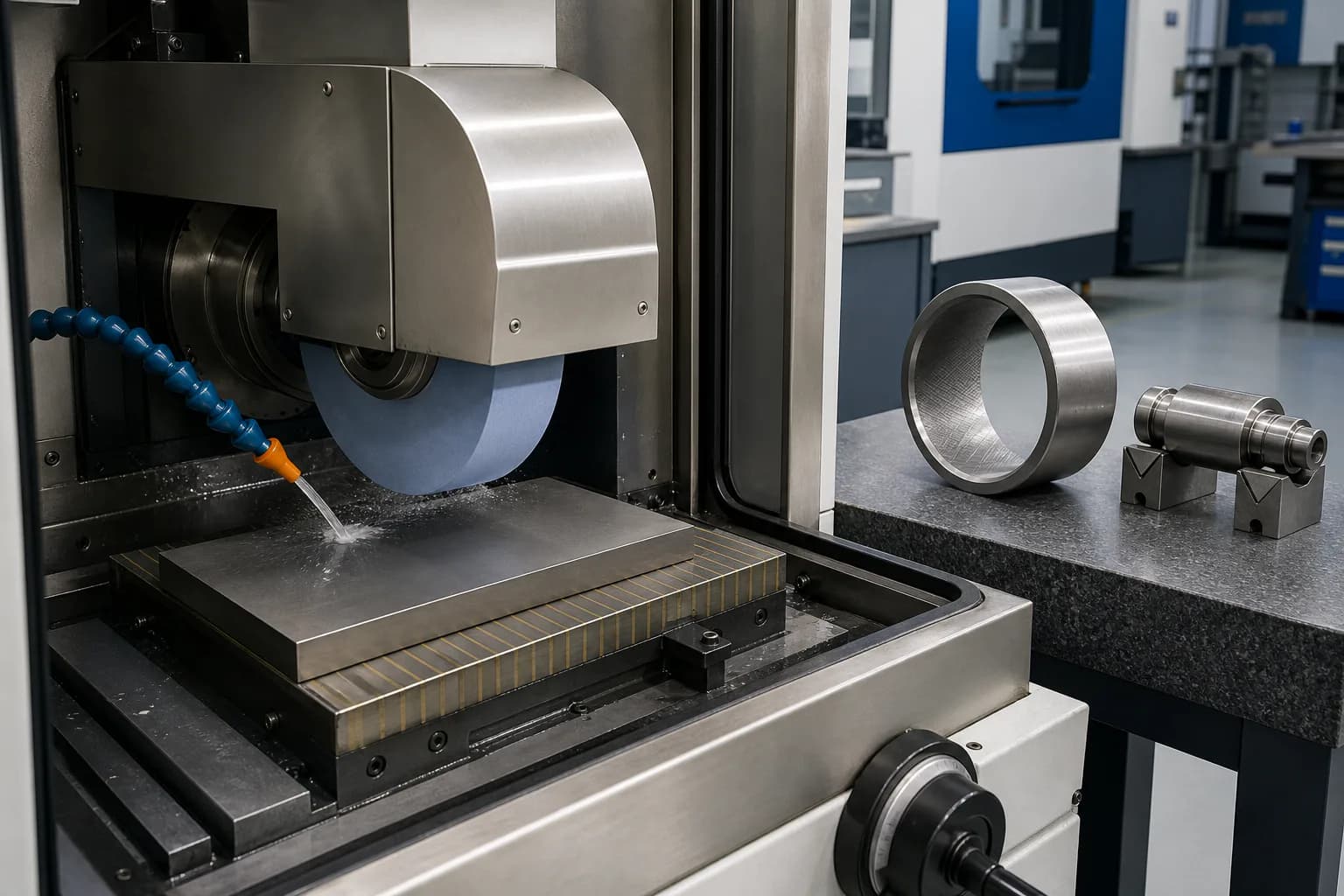
Grinding and honing are abrasive finishing processes, but the request should not treat them as interchangeable. Surface grinding may address a ground face, datum plane, thickness, flatness, or parallelism requirement. Cylindrical grinding may address an outside diameter, journal, shoulder, face, bore, or related reference-axis relationship. Bore honing commonly uses rotating and reciprocating abrasive stones within a bore, connecting bore size, roundness, straightness, cylindricity, surface texture, and crosshatch intent. The files should define the required feature and acceptance basis without assuming a process route, equipment, achieved result, report package, fulfillment, or availability before quoting.
Identify every ground face, outside or inside cylindrical surface, honed bore, datum, reference axis, shoulder, transition, relief, and protected feature that belongs in the review.
State material grade, hardness or heat-treatment condition, starting size and form, stock allowance, prior operations, following operations, current wear or distortion, and customer-supplied material context.
Separate size from flatness, parallelism, roundness, straightness, cylindricity, runout, and surface-texture requirements, then identify the inspection method, measurement condition, coverage, and acceptance criteria.
Fulfillment review
Requests are reviewed manually. The fulfillment route and availability are confirmed before acceptance.
Quote inputs
The quote form accepts private files or a written project description, plus optional process, material, material-source, quantity, and timing details. Select the closest process when useful and describe whether the request involves surface grinding, cylindrical grinding, bore honing, or a related finishing feature.
Interactive request review
Select a review point on the fixed inspection image to see how a ground face and datum, a ground outside diameter and reference axis, and a honed bore and crosshatch texture connect to stock, geometry, access, and inspection intent.
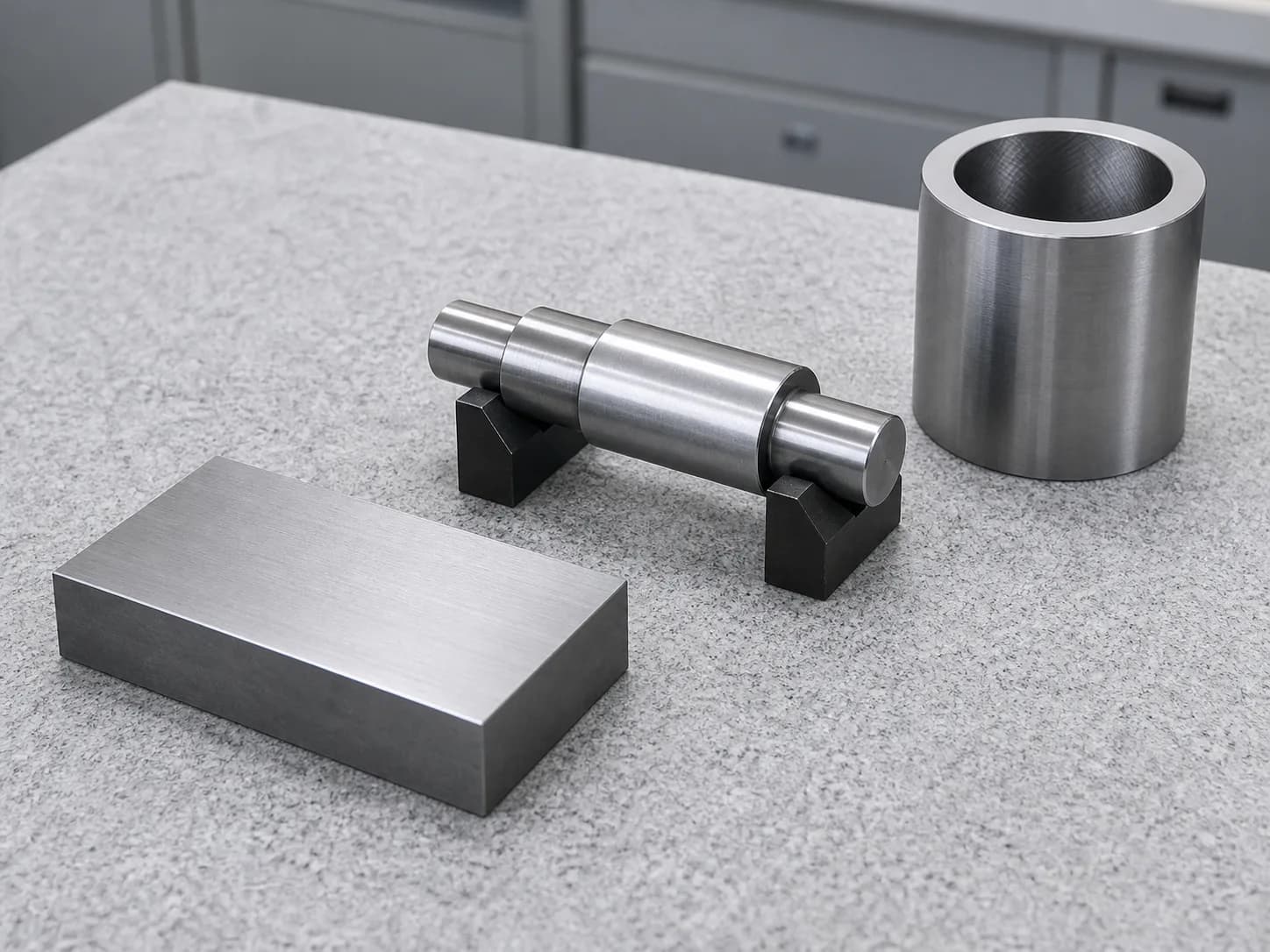
Finishing references in one fixed inspection view
The ground plane, outside-diameter journal, and crosshatch-honed bore remain visible together so size, geometry, texture, and reference requirements can be reviewed without implying a production route.
Illustrative example only; markers identify request-review areas, not original dimensions, material condition, achieved geometry or texture, inspection approval, process route, or capability.
Grinding and honing review
Select a review feature to see the details that help clarify the request.
The planar-surface request should separate the incoming stock and material condition from the finished plane, thickness relationship, surface-texture requirement, and datum used for inspection.
Helpful drawing detail
Identify every face to be ground, then state the starting stock, finished thickness, related datum, geometric controls, surface-texture requirement, and measurement condition.
Capabilities
These examples help organize the starting point. Process fit, equipment fit, achievable requirements, workholding and support, material response, inspection scope, fulfillment, and availability are confirmed from the project files.
Surface grinding requests reviewed from the starting face and stock allowance, opposite-face and datum relationships, thickness, flatness, parallelism, profile, edge and corner intent, contact area, material and hardness condition, surface texture, prior and following operations, and inspection method.
Cylindrical grinding requests reviewed from the starting OD or ID, stock allowance, ground length or depth, reference axis, centre, chuck, bore or other functional reference intent, shoulder and relief geometry, access and support context, finished size, form, runout, surface texture, sequence, and inspection requirements.
Bore honing requests reviewed from the starting bore and stock allowance, bore size and depth, bore access, blind bore or through bore condition, internal steps, cross holes, wall and support context, roundness, straightness, cylindricity, taper, surface texture, crosshatch intent, sequence, and inspection method.
Rough-machined, heat-treated, coated, worn, repaired, distorted, customer-supplied, or sample-led requests reviewed from verified material and starting condition, available stock, retained and protected geometry, functional references, specified sequence, measurement and acceptance needs, quantity, and timing.
Quote workflow
A short, human-managed review keeps the feature scope, starting condition, references, finished geometry and texture, sequence, inspection, and open questions visible before work is accepted.
Upload the model and drawing or clear sample photos, then add the ground or honed features, material and starting condition, stock allowance, datums and reference axis, finished geometry and surface texture, sequence, inspection needs, quantity, and target timing.
Planar, OD, ID and bore geometry, feature access, workholding and support context, starting stock, material and hardness, heat-treatment or coating sequence, size, form, surface texture, crosshatch intent, reference relationships, and acceptance requirements are organized for follow-up.
Process fit, equipment fit, achievable requirements, workholding and support approach, material and sequence needs, inspection method and scope, fulfillment, timing, and remaining questions are resolved before acceptance.
The approved part definition, revision, feature scope, material and starting condition, stock allowance, datum and reference relationships, finished size, form and texture, sequence, inspection criteria, and protected-surface notes become the reference point for project communication.
Request readiness
Clear starting condition, feature scope, reference geometry, access, surface, and acceptance intent is more useful than assuming a route, setup, result, or measurement approach.
State starting size and form, available stock allowance, material and hardness or heat-treatment condition, prior operations, current wear or distortion, and the exact faces, outside diameters, inside diameters, or bores expected after grinding and honing.
Mark each surface grinding area and identify the primary datum, opposite or related faces, finished thickness, flatness, parallelism, profile, edge and corner intent, contact region, surface texture, and inspection method.
Show the ground outside diameter or inside diameter, journal, shoulder, face, taper, groove, relief, and ground length or depth. State size, roundness, straightness, cylindricity, runout, perpendicularity, and the reference axis or face governing each relationship.
Include starting and finished bore size, bore length and depth, bore access, blind bore or through bore condition, internal steps, cross holes, wall thickness, stock allowance, roundness, straightness, cylindricity, taper, surface texture, crosshatch intent, and measurement access.
Identify material grade and condition, hardness or heat-treatment state, rough machining, distortion history, stock left for cleanup, and which surfaces are established before or after any specified heat treatment, coating, plating, polishing, honing, or related operation.
Name the surface-texture parameter and limit, lay or crosshatch direction when relevant, functional bearing, sealing, sliding or contact relationship, inspection method, measurement support and condition, coverage or sampling, acceptance criteria, documentation needs, and protected-surface handling.
Materials
Grade, form, hardness or heat-treatment condition, starting geometry, stock allowance, surface requirement, inspection scope, and availability are confirmed for each request.
Plate, block, insert, shaft, journal, sleeve, bushing, bore, wear-detail, repair, and replacement requests where exact grade, hardness or heat-treatment condition, starting form, stock, references, surface, sequence, and inspection intent need review.
A2 · D2 · O1 · H13 examples
View materialPlate, block, shaft, journal, sleeve, bushing, housing, bore, sealing-detail, and sample-led requests where exact grade, current condition, geometry, stock allowance, references, access, surface, sequence, and inspection requirements belong in the review.
303 · 304 · 316/316L examples
View materialBlock, body, housing, sleeve, ring, cylinder, bore, guide, wear-surface, repair, and replacement requests where casting grade and condition, starting geometry, stock, wall and support context, references, surface, and inspection needs require review.
Gray · ductile · compacted graphite examples
View materialPlate, block, shaft, sleeve, bushing, housing, bore, spacer, adapter, and cylindrical-component requests where alloy and temper, starting form, stock allowance, support, access, surface condition, edge protection, sequence, and inspection intent need review.
6061-T6 · 7075-T6 · MIC-6 examples
View materialContinue exploring
Review flat and profiled surfaces, datum relationships, starting stock, thickness, flatness, parallelism, surface texture, material condition, and inspection requirements.
Review outside and inside cylindrical features referenced from centres, chucks, collets, bores, journals, shoulders, faces, or other datum relationships.
Review straight or profiled cylindrical work from its feed route, grinding and regulating wheel relationship, work-rest support, stock, form, surface, and inspection requirements.
Review size, flatness, parallelism, roundness, straightness, cylindricity, surface texture, datum, runout, measurement condition, coverage, acceptance, and documentation requirements.
Review rod, gland, barrel, piston, bore, journal, wear, damage, seal-interface, crosshatch, straightness, repair, replacement, and inspection context for hydraulic components.
See common plate, block, shaft, spindle, journal, roller, sleeve, bushing, housing, bore, wear-component, repair, replacement, and inspection request contexts for machinery and equipment.
FAQ
Upload a STEP or STP model and matching PDF drawing when available, or clear sample photos with scale. Add the surface grinding, cylindrical grinding, or bore honing scope; material grade and condition; hardness; starting size and form; stock allowance; datums and reference axis; ground face, outside diameter, inside diameter, journal, shoulder, or honed bore details; finished size and geometry; surface texture or crosshatch intent; sequence; inspection method; quantity; and timing.
Grinding commonly uses a rotating abrasive wheel to address a flat, face, outside-diameter, inside-diameter, shoulder, or related surface. Bore honing commonly uses abrasive stones that rotate and reciprocate within a bore. Each request still needs its own stock, access, reference, geometry, texture, sequence, and inspection definition; process and equipment fit are confirmed during review.
Identify every ground face and datum, the starting face and stock allowance, opposite-face or related-feature context, finished thickness, flatness, parallelism, profile, edge and corner intent, surface-texture parameter and limit, material and hardness condition, prior and following operations, inspection method, measurement condition, and protected areas.
State the starting and finished bore size, bore length and depth, stock allowance, bore access, blind bore or through bore condition, internal steps or cross holes, wall and support context, roundness, straightness, cylindricity, taper, surface texture, crosshatch angle or direction when specified, sequence, inspection method, measurement access, and acceptance criteria.
Material grade and hardness, heat-treatment or coating state, starting size and form, available stock, wear or distortion, prior and following operations, retained and protected features, reference geometry, measurement condition, inspection method, coverage, and acceptance criteria affect how the request can be organized. Share the starting part and functional requirements instead of defining only a final size or surface value.
Requests are reviewed manually. The fulfillment route and availability are confirmed before acceptance.
Start with the files you have
Share the part model and drawing or sample context, ground and honed feature scope, material and starting condition, stock allowance, datums and reference axis, finished size, form and surface requirements, sequence, inspection method, quantity, and timing. Pearson will follow up on the details that still need confirmation.
Request a finishing quote