Assembly and testing services

Assembly and testing requests, organized around components, interfaces, fastener controls, and acceptance criteria.

An assembly request is not complete when it lists only the parts. Share the approved assembly revision, component and hardware identities, BOM quantities and sources, orientation and sequence, datum and mating-interface relationships, fits and allowable adjustment, fastener condition and retention method, torque or other installation requirements, test setup and operating condition, acceptance criteria, item-identification and record boundaries, quantity, and timing so the request can be organized and a project path confirmed before acceptance.

  • Components, BOM, and sequence
  • Interfaces, fasteners, and test intent
  • Scope confirmed per quote
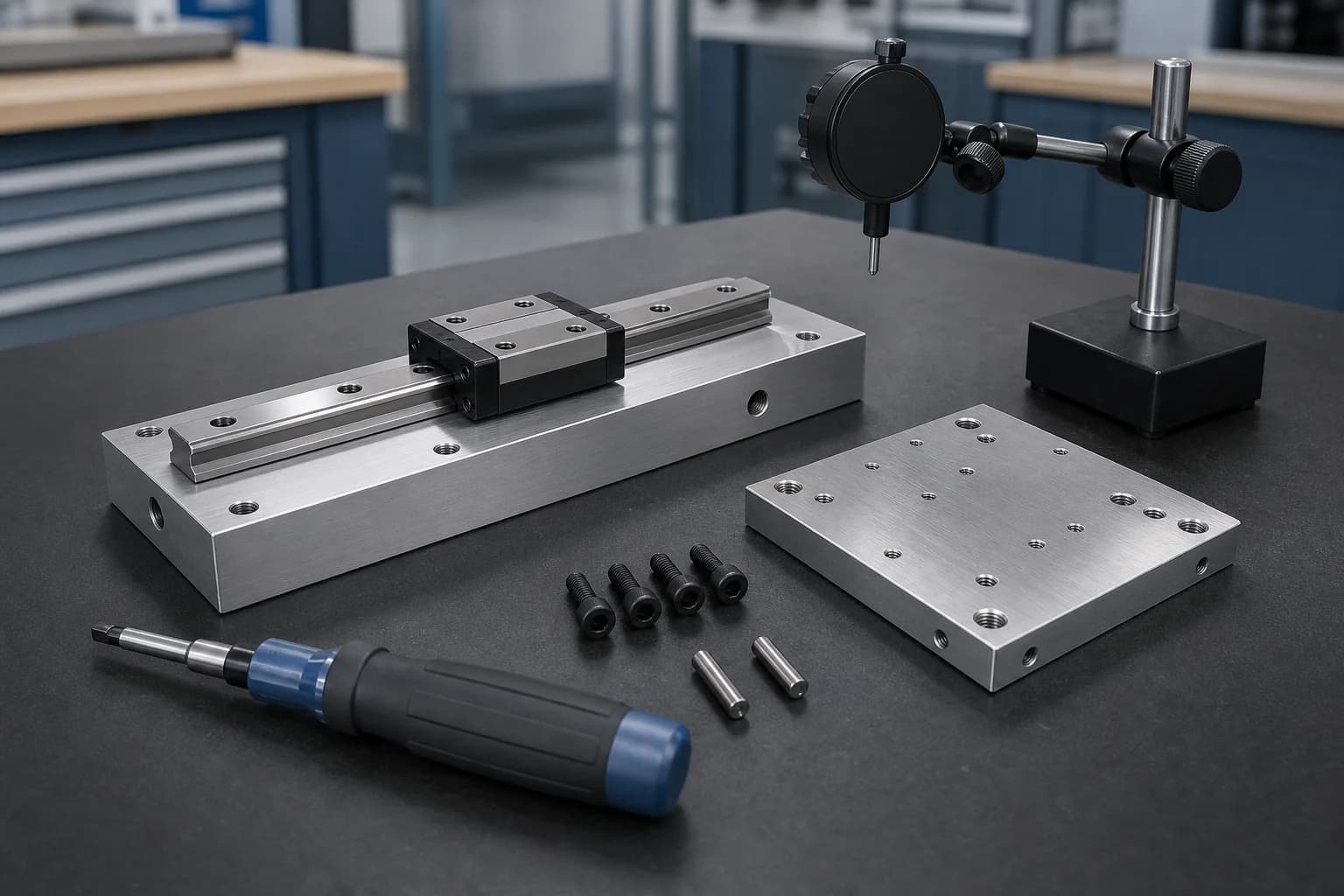
Illustrative assembly-planning bench with a linear-guide base, a separate carriage plate, organized socket-head fasteners and locating pins, an unbranded torque screwdriver, and a dial indicator standing nearby
Illustrative assembly and test-planning referenceAssembly & Testing

Capability review

This page describes common request types. Available processes, equipment, tolerances, inspection, documentation, and fulfillment are confirmed for each quote.

Overview

One controlled configuration should connect the build definition to the test definition.

Mechanical assembly joins identified components through mating interfaces in a defined sequence. A requirement may be checked by inspection, demonstration, test, or analysis, but those methods and their evidence are not interchangeable. A BOM alone does not define orientation, datum structure, fits, fastener condition, lubrication or locking method, tightening sequence, permitted adjustment, handling, or protected surfaces. A test note alone does not establish product revision, setup, input conditions, instrumentation, measurement points, acceptance limits, or which records are deliverables. The request should tie every component, interface, assembly instruction, test point, and acceptance requirement to the controlling revision without assuming an assembly method, accepted result, record package, traceability chain, fulfillment route, or availability before quoting.

Configuration and component identity

Identify the assembly number and revision, each BOM item and quantity, component revision or approved alternate, purchased or customer-supplied status, material and finish condition, orientation, and any item-identification requirement.

Interfaces, sequence, and fastener controls

Define mating faces and axes, datums, locating features, fits and stack relationships, assembly order, access, allowed adjustment, fastener and insert identities, retention method, torque condition, and protected features.

Test and record boundaries

State the requirement being checked, method, setup, input and environmental condition, mating or enabling items, measurement point, acceptance criterion, sampling, nonconformance instruction, item mapping, and requested record fields.

Fulfillment review

Requests are reviewed manually. The fulfillment route and availability are confirmed before acceptance.

Quote inputs

The information that starts a useful assembly and testing review.

The quote form accepts private files or a written project description, plus optional process, material, material-source, quantity, and timing details. Select Assembly when useful and describe the controlling product revision, component and interface scope, build instructions, test definition, and acceptance basis.

Product definition and configuration
Assembly-level STEP or STP model, matching PDF drawing, exploded view when available, assembly number and revision, part numbers and revisions, BOM line items and quantities per assembly, approved alternates, purchased or customer-supplied status, material and finish condition, current configuration, change notes, and required item identifiers
Interfaces, orientation, and assembly sequence
Primary datums, mating faces and axes, locating pins and features, clearance, transition, interference, press or slip fit intent, stack relationships, alignment and motion interfaces, component orientation, assembly and disassembly order, intermediate checks, permitted adjustment, access direction, support, handling, and protected regions
Hardware, retention, and torque requirements
Fastener, insert, bushing, pin and clip identities; thread, material and finish; washer and spacer stack; lubrication, adhesive or locking condition; torque value and unit, angle or preload requirement when specified; tightening sequence; reuse restrictions; installation depth and orientation; tool access and clearance; and witness-mark or other visual-check intent
Test, acceptance, identification, and record requirements
Requirement identifier and source revision, verification method, setup, fixture or mating part, input media, load, pressure, motion, cycle, duration and environmental condition when specified, instrument or gauge and calibration-status requirement, measurement location, acceptance and rejection criteria, coverage or sampling, nonconformance instruction, part, lot or serial mapping, requested record fields and deliverable boundary, quantity, target timing, cleaning, preservation, packaging, and handling notes
Interactive request review

Explore the build and test relationships that should be visible in the request.

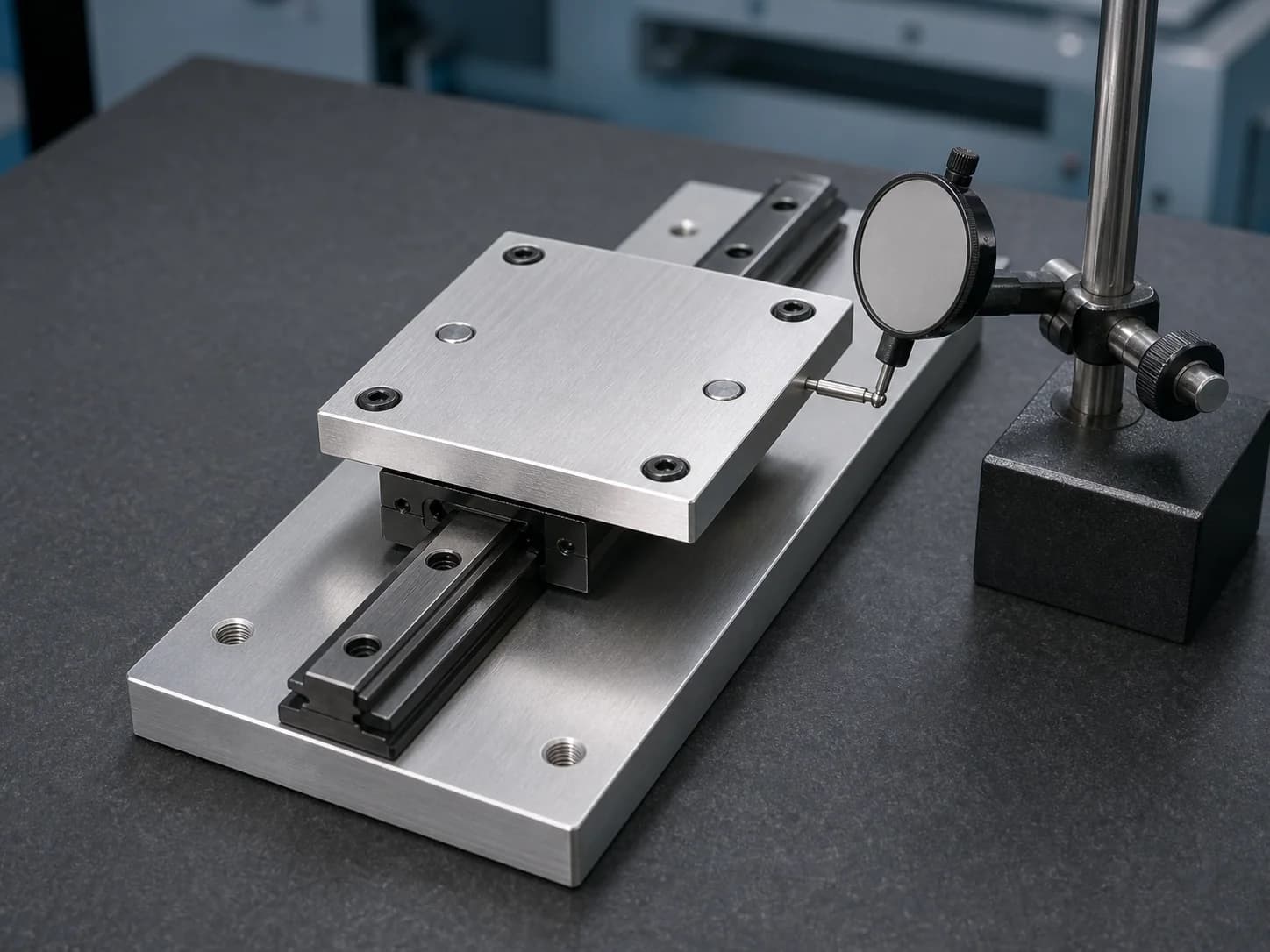
Select a review point on the fixed subassembly image to see how component identity and sequence, fasteners and mating interfaces, and a functional test definition connect to configuration, acceptance, and record scope.

Illustrative compact linear-stage subassembly on an inspection bench showing a carriage plate secured by four socket-head fasteners and two locating pins, with a dial indicator contacting the moving interface for test-definition context

Linear-stage assembly in one fixed review view

The component relationship, fastener and locating pattern, rail interface, and indicator context remain visible together while the request details change.

Illustrative example only; markers identify request-review areas, not original dimensions, supplied condition, achieved torque or fit, motion result, acceptance, test outcome, instrument status, documentation, process route, or capability.

Assembly and testing review

What should the assembly and check definition explain?

Select a review feature to see the details that help clarify the request.

Component identity, orientation, and assembly sequence

Connect each component and hardware item to the controlling BOM line, revision, quantity and source, then define orientation, preparation, order of assembly, intermediate checks, permitted adjustment, and protected surfaces.

  • Part and subassembly identity, quantity, revision context, specified alternatives, and supplied condition
  • Orientation, assembly order, temporary support, protected surfaces, handling, and access requirements
  • BOM, model, drawing, exploded-view, and assembly-instruction relationships

Helpful assembly detail

Connect every BOM item to the model or drawing, then show its orientation, quantity, supplied condition, and place in the assembly sequence.

Start with your assembly files
Process fit, equipment fit, achievable requirements, hardware responsibility, inspection or test method, documentation, project path, availability, and timing are confirmed from the submitted information during quote review.

Capabilities

Common assembly and testing request patterns, kept easy to scan.

These examples help organize the starting point. Process fit, equipment and tool fit, achievable assembly and test requirements, input availability, inspection scope, requested records, fulfillment, and timing are confirmed from the project files.

Machined, fabricated, purchased, and customer-supplied components

Components & BOM

Mechanical-subassembly requests reviewed from the assembly and component revisions, complete BOM and quantities, approved alternates, material and finish condition, supplied-item status, orientation, sequence, access, handling, protected surfaces, item identification, and missing-component rules.

Datums, mating faces, pins, bushings, fits, alignment, and motion

Interfaces & fit

Interface requests reviewed from the functional datums and axes, locating scheme, face and hole relationships, pin and bushing engagement, clearance or interference intent, stack relationships, allowable adjustment, motion and travel definition, end conditions, mating parts, support, and acceptance method.

Fasteners, inserts, retention, torque, and installation condition

Fastener controls

Hardware requests reviewed from exact part and thread identity, material and finish, washer or spacer stack, insert and installation direction, lubrication or adhesive condition, locking or retention method, torque value and unit, tightening order, access, reuse limits, visual-check intent, and record requirement.

Fit, motion, functional-condition, inspection, and acceptance requests

Test definition

Test requests reviewed from the requirement source, product configuration, method, setup, fixture and mating items, inputs and operating condition, measurement points, acceptance and rejection criteria, coverage, item mapping, nonconformance instruction, requested records, quantity, and timing.

Quote workflow

From controlled product definition to a confirmed assembly and test path.

A short, human-managed review keeps configuration, components, interfaces, build controls, test conditions, acceptance, requested records, and open questions visible before work is accepted.

  1. 01

    Share the controlled build definition

    Upload the assembly model and drawing, BOM, component and hardware revisions, assembly instructions, interface and fit requirements, torque and retention details, test definition, acceptance criteria, item-identification needs, quantity, and target timing.

  2. 02

    Reconcile the assembly and test drivers

    Configuration, component availability and source, BOM completeness, datums and interfaces, sequence and access, fits and stack relationships, fastener condition, torque and retention, test setup and inputs, acceptance criteria, and record boundaries are organized for follow-up.

  3. 03

    Confirm the project path

    Process fit, equipment and tool fit, achievable assembly and test requirements, supplied and enabling items, inspection method and scope, requested record fields, fulfillment, timing, and remaining questions are resolved before acceptance.

  4. 04

    Coordinate the approved baseline

    The approved assembly revision, BOM, component and hardware identities, interface and sequence instructions, fastener controls, test procedure, acceptance criteria, item mapping, record boundary, handling notes, and authorized changes become the reference point for project communication.

Request readiness

Small decisions that make assembly and testing requests easier to review.

Clear configuration, interface, fastener, test, acceptance, and record intent is more useful than assuming a method, result, or evidence package.

Design intent before assumptions
  1. 01

    Freeze the assembly configuration before defining acceptance.

    Identify the controlling assembly number and revision, every BOM item and quantity, component revisions, approved alternates, purchased or customer-supplied status, material and finish condition, change notes, and the rule for substitutions or missing items.

  2. 02

    Define every mating interface and functional datum.

    Show locating faces, axes, pins, bushings, pilots, shoulders, holes, slots, guides and stops; state fit, alignment, clearance or interference, stack, motion, travel, allowed adjustment, contact, support, and protected-surface intent.

  3. 03

    Make hardware and insert identity unambiguous.

    Provide exact fastener, insert, pin, clip, washer, spacer and bushing identities; thread, material and finish; quantity and location; installation depth and orientation; access and clearance; reuse restrictions; and customer-supplied context.

  4. 04

    Separate torque from retention and application condition.

    State the torque value and unit, angle or preload requirement when specified, lubrication or dry condition, adhesive or locking method, tightening sequence, tool-access constraints, relaxation or retorque instruction when defined, witness-mark intent, and required record fields.

  5. 05

    Write a test definition that another reviewer can execute.

    Connect each requirement identifier to its inspection, demonstration, test or analysis method; define setup, fixture, mating items, inputs, operating and environmental condition, measurement point, duration or cycles when specified, acceptance and rejection criteria, sampling, and response to a failed check.

  6. 06

    Set identification, traceability, and record boundaries explicitly.

    State whether component, lot or serial identity must map to an assembly or result; identify customer-supplied items and changes; distinguish temporary working notes from requested deliverables; define required fields, approvals, file format, retention expectation, release condition, and handling or packaging notes.

Materials

Common component materials for assembly and testing review.

Material identity is one layer of the request. Exact grade and condition, finish, interface, hardware, fit, handling, test, inspection, and availability requirements are confirmed for each project.

FAQ

Assembly and testing quote questions.

Upload an assembly-level STEP or STP model and matching PDF drawing, exploded view when available, current BOM, assembly and component revisions, approved alternates, hardware identities, interface and fit requirements, assembly sequence, torque and retention details, test definition, acceptance criteria, item-identification and record requirements, quantity, and timing. If files are incomplete, the quote form also accepts a written project description, and Assembly can be selected in the optional process field.

Identify the controlling assembly number and revision, each component and hardware part number, revision and quantity, approved alternates, purchased or customer-supplied status, material and finish condition, orientation, item identifiers, and change notes. The BOM, model, drawing, assembly instructions, and test definition should describe the same configuration.

State the exact fastener, insert, washer, spacer, pin or clip identity; thread, material and finish; lubrication or adhesive condition; locking or retention method; torque value and unit, angle or preload requirement when specified; tightening sequence; installation depth and orientation; access, reuse and visual-check rules; and any requested record fields. Do not rely on a generic tighten note for a controlled joint.

Show the functional datums and axes, locating faces, pins, bushings, pilots, shoulders, holes, slots, guides and stops. State clearance, transition, interference, press or slip fit intent, stack relationships, alignment, allowable adjustment, travel and end conditions, mating items, support, measurement condition, and acceptance method.

Connect each requirement identifier and source revision to an inspection, demonstration, test or analysis method. Define the product configuration, setup, fixture and mating items, input and environmental condition, measurement points, duration or cycles when specified, acceptance and rejection criteria, sampling and nonconformance instruction. Then state any part, lot or serial mapping and distinguish required deliverables from temporary working notes. Achievable test and inspection scope and requested records are confirmed during quote review.

Requests are reviewed manually. The fulfillment route and availability are confirmed before acceptance.

Start with the files you have

Ready to review your assembly and testing request?

Share the assembly model and drawing, BOM, component and hardware revisions, interface and fit definition, sequence, torque and retention requirements, test setup and conditions, acceptance criteria, identification and record boundaries, quantity, and timing. Pearson will follow up on the details that still need confirmation.

Request an assembly quote