Duty and wear context
State material flow, abrasion, impact, slurry, load, cycle, environment, and maintenance history supplied by the buyer.
Mining & Minerals Processing request guide
Share the controlled drawing or as-found condition, duty and wear profile, material, hardness requirement, interfaces, protection, inspection, handling, requested records, quantity, and timing. Pearson reviews the inputs before confirming an accepted path.
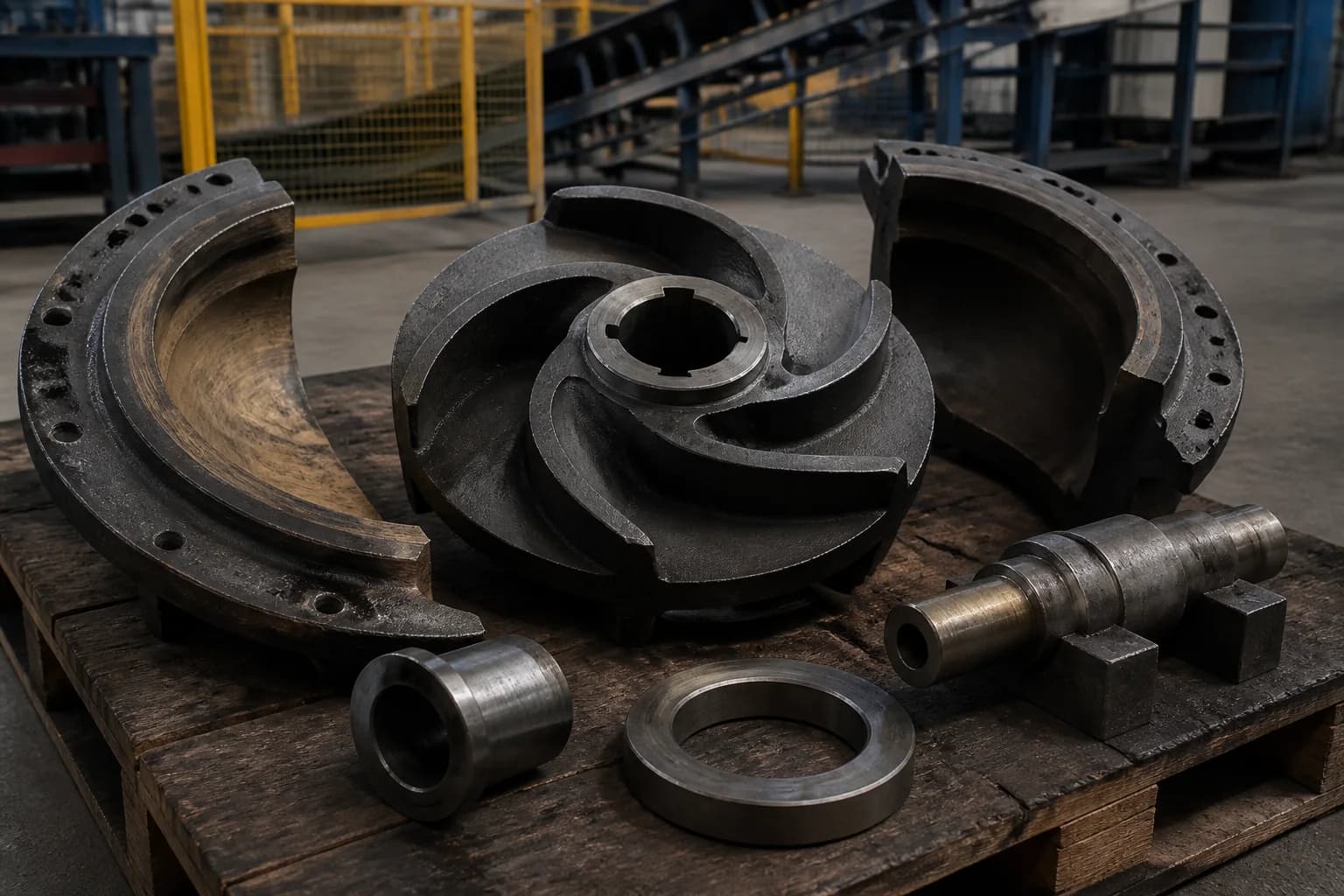
Capability review
This page describes common request types. Available processes, equipment, tolerances, inspection, documentation, and fulfillment are confirmed for each quote.
Overview
A mining or minerals-processing request should link the controlled component or worn sample to abrasive, impact, slurry, load, and maintenance context supplied by the buyer. Material state, wear allowance, liner or overlay boundaries, mating interfaces, inspection, handling, and replacement acceptance belong in the same request.
State material flow, abrasion, impact, slurry, load, cycle, environment, and maintenance history supplied by the buyer.
Identify mating parts, bolt patterns, datums, fits, liners, clearances, retained features, and permitted changes.
Define inspection, hardness evidence, lift points, preservation, packaging, records, and objective acceptance.
Industry request review
Material, wear protection, process fit, equipment envelope, inspection, documentation, handling, routing, and timing are confirmed per request.
Quote inputs
Provide the controlled duty and as-found context, especially where a replacement must preserve existing interfaces.
Interactive request review
Use the markers to connect duty and wear, controlled replacement geometry, and inspection and handling.
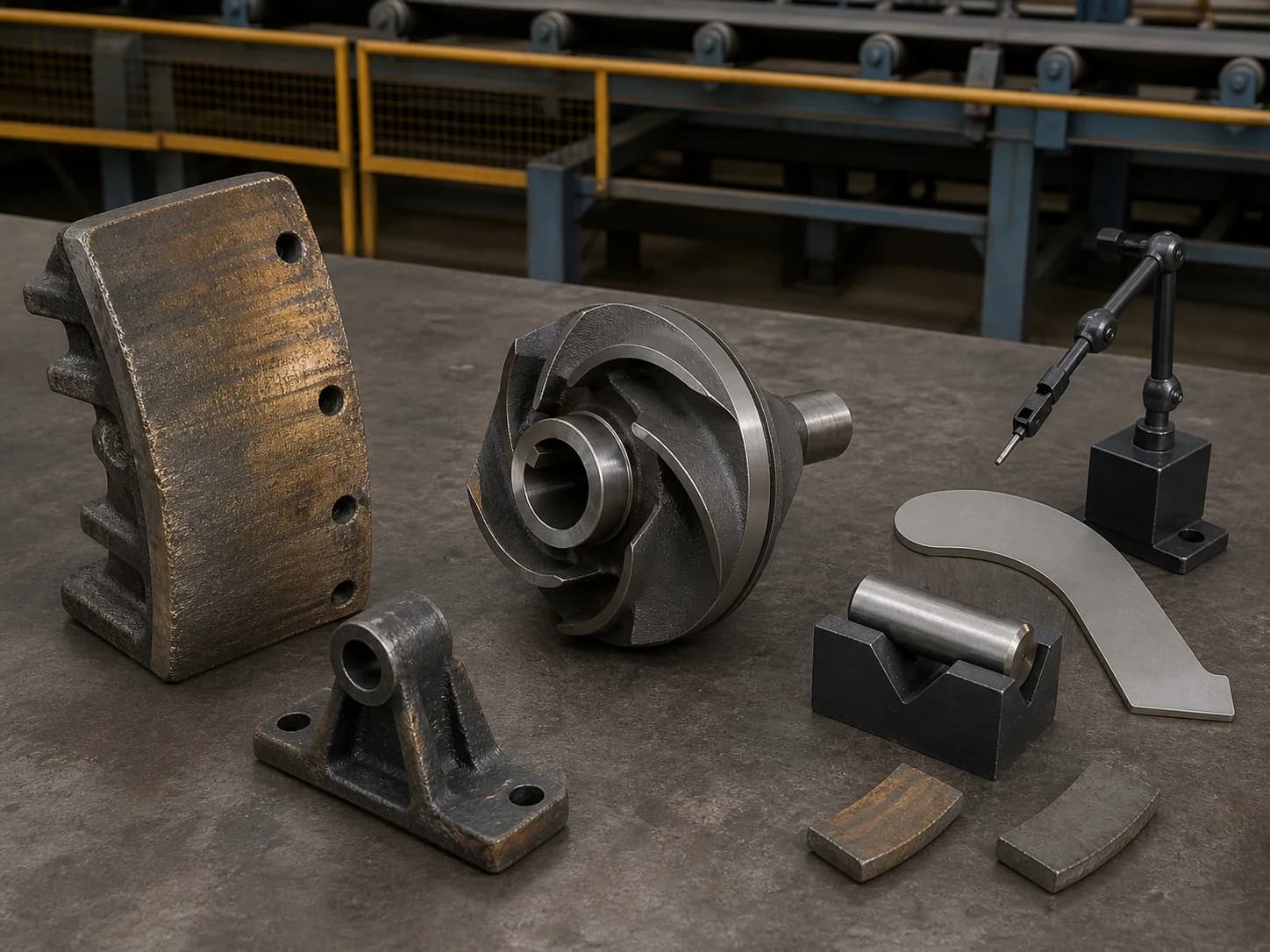
Mining & Minerals Processing request feature map
Wear context, impeller geometry, and replacement-review fixtures
Illustrative planning reference only. The image and markers do not establish industry identity, part function, material, process, capability, compliance, inspection result, acceptance, or suitability.
Mining & Minerals Processing request review
Choose a marker to review the supporting inputs.
Define equipment function, duty, wear mechanism, environment, maintenance state, as-found condition, and requirement authority.
Helpful request detail
Include photographs or inspection notes showing wear location, direction, depth, retained features, and adjacent components.
Request contexts
These examples organize the request without confirming material life, process, result, or fulfillment.
Liners, chutes, hoppers, guards, and skirting defined by duty, wear, boundaries, fasteners, and changeout context.
Rotating hardware defined by datums, fits, keys, runout, material state, protection, and inspection.
Casings, bodies, covers, seats, and hubs defined by slurry context, interfaces, wear, seals, and acceptance.
Worn or legacy components defined by as-found evidence, retained interfaces, repair boundaries, permitted changes, and records.
Quote review flow
A short review flow keeps wear, material, interfaces, inspection, handling, and records connected.
Provide the current drawing, model, revision, mining and minerals processing context, quantity, and target timing.
Identify governing documents, precedence, approved substitutions, restricted data, and customer-controlled decisions.
Connect material, geometry, interfaces, process history, finish, inspection, documentation, and packaging requirements.
Pearson confirms accepted scope, routing, records, timing, and open questions before work proceeds.
Request readiness
Six checks keep wear duty, replacement interfaces, and handling decisions visible before routing.
State abrasion, impact, slurry, load, flow direction, environment, cycle, and maintenance history.
Identify material, supplied condition, hardness requirement, liner or overlay, evidence, and substitution authority.
Mark datums, fits, bolt patterns, mating parts, clearances, retained features, and permitted changes.
Define liner segments, joints, fastener families, replacement sequence, clearances, and inventory identity.
Mark protected fits, threads, weld boundaries, coating masks, transitions, and flow-direction features.
Include lift points, orientation, inspection, hardness evidence, records, preservation, packaging, and logistics constraints.
Materials
State exact grade, form, condition, wear duty, interfaces, protection, and substitution authority.
Define grade, stock form, duty, liner boundary, fasteners, clearances, and acceptance.
View materialDefine grade, casting condition, wear context, stock, interfaces, and inspection.
View materialDefine grade, condition, process environment, interfaces, protection, and records.
View materialDefine grade, condition, hardness, wear context, critical surfaces, and inspection.
View materialRelated services
Use these guides to define required operations without assuming wear life, process fit, or fulfillment.
Review plates, liners, pockets, datums, interfaces, holes, and inspection.
Review structures, liner fit-up, joints, distortion, keep-outs, and inspection.
Review preparation, wear protection, coating boundaries, masks, preservation, and acceptance.
Review fit-up, assembly state, test method, acceptance, records, and handling.
Review envelope, mass, handling, setup datums, features, and logistics inputs.
Review shafts, hubs, pulley parts, fits, runout, and surface requirements.
FAQ
Short answers for preparing a controlled wear or replacement request.
Provide the controlled drawing or model, as-found evidence, duty, material state, interfaces, quantity, and target timing.
Identify wear location, direction, mechanism, depth evidence, material flow, impact, slurry, maintenance history, and acceptance need.
Include as-found measurements, photographs, prior repairs, retained interfaces, permitted changes, material evidence, and acceptance rules.
Mark material, hardness requirement, boundaries, joints, fasteners, clearances, keep-outs, process state, and inspection.
State envelope, mass, center of gravity when known, lift points, orientation, blocking, preservation, packaging, and route constraints.
The route is confirmed after duty, material, geometry, interfaces, protection, inspection, handling, records, quantity, and timing are reviewed.
Start with the request
Upload the drawing or as-found evidence, then identify duty, wear, material, interfaces, protection, inspection, handling, records, quantity, and timing.
Request a mining quote