Start with what exists
A model, drawing, sketch, photos, measurements, sample, or short project description can establish the first review.
Custom machining services
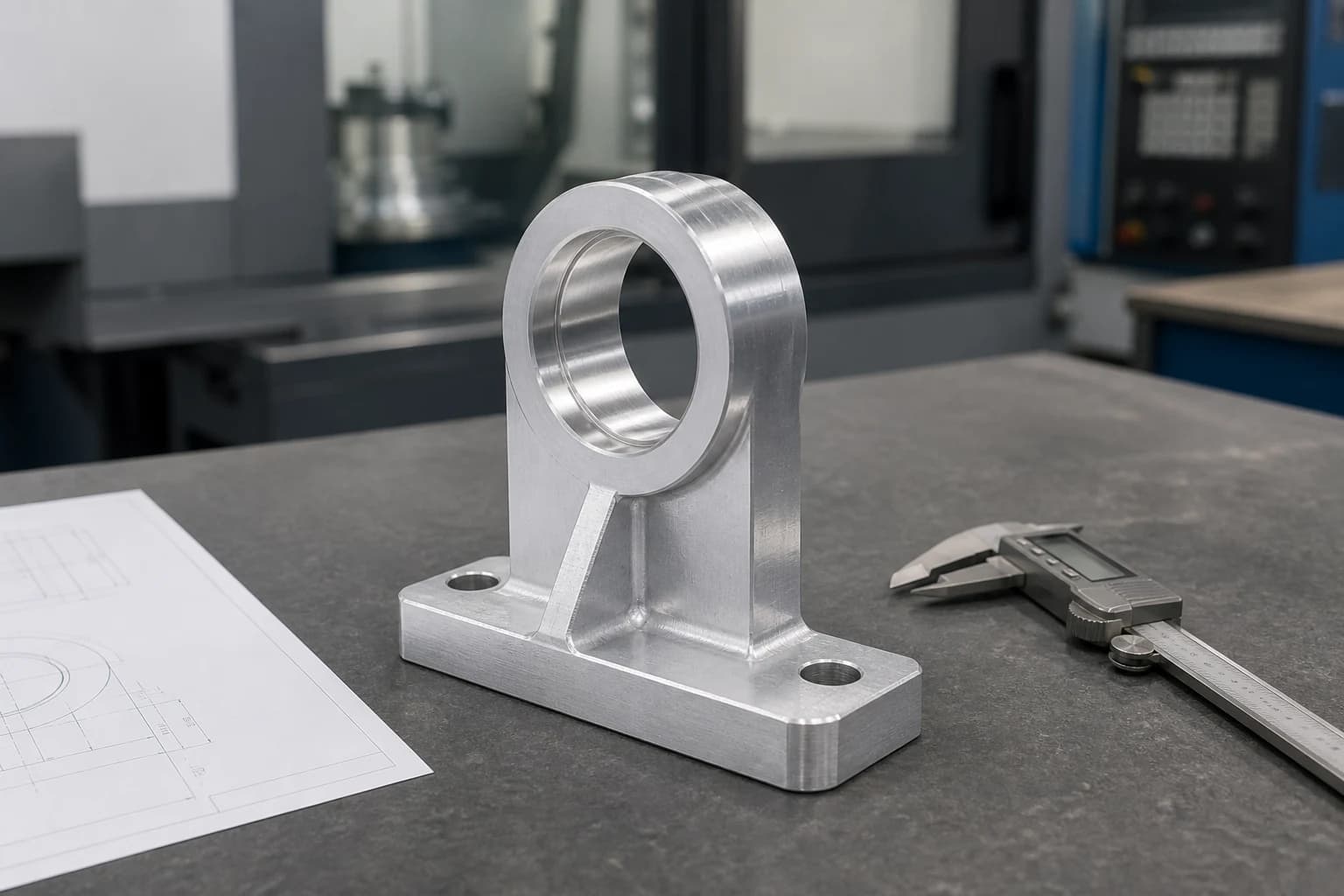
A one-off part, replacement component, prototype, repair, or fixture may begin with a model, drawing, sketch, photos, or an existing sample. Share what you have and how the part must work; Pearson will organize the open questions and confirm a project path before acceptance.
Capability review
This page describes common request types. Available processes, equipment, tolerances, inspection, documentation, and fulfillment are confirmed for each quote.
Overview
Custom work often begins with incomplete context: a discontinued component, a prototype that still needs decisions, a fixture for a specific task, or a part that exists only as a sample. A useful review separates what is known, what is functional, and what still needs confirmation.
A model, drawing, sketch, photos, measurements, sample, or short project description can establish the first review.
Mating features, interfaces, wear areas, and must-keep requirements clarify what the part needs to do.
Material, quantity, timing, finish, inspection, documentation, and fulfillment are reviewed before acceptance.
Fulfillment review
Requests are reviewed manually. The fulfillment route and availability are confirmed before acceptance.
Quote inputs
You do not need every answer before submitting. Share what is known and mark the rest for follow-up.
Interactive request review
Choose a starting point to see what helps turn an unusual request into a reviewable project.
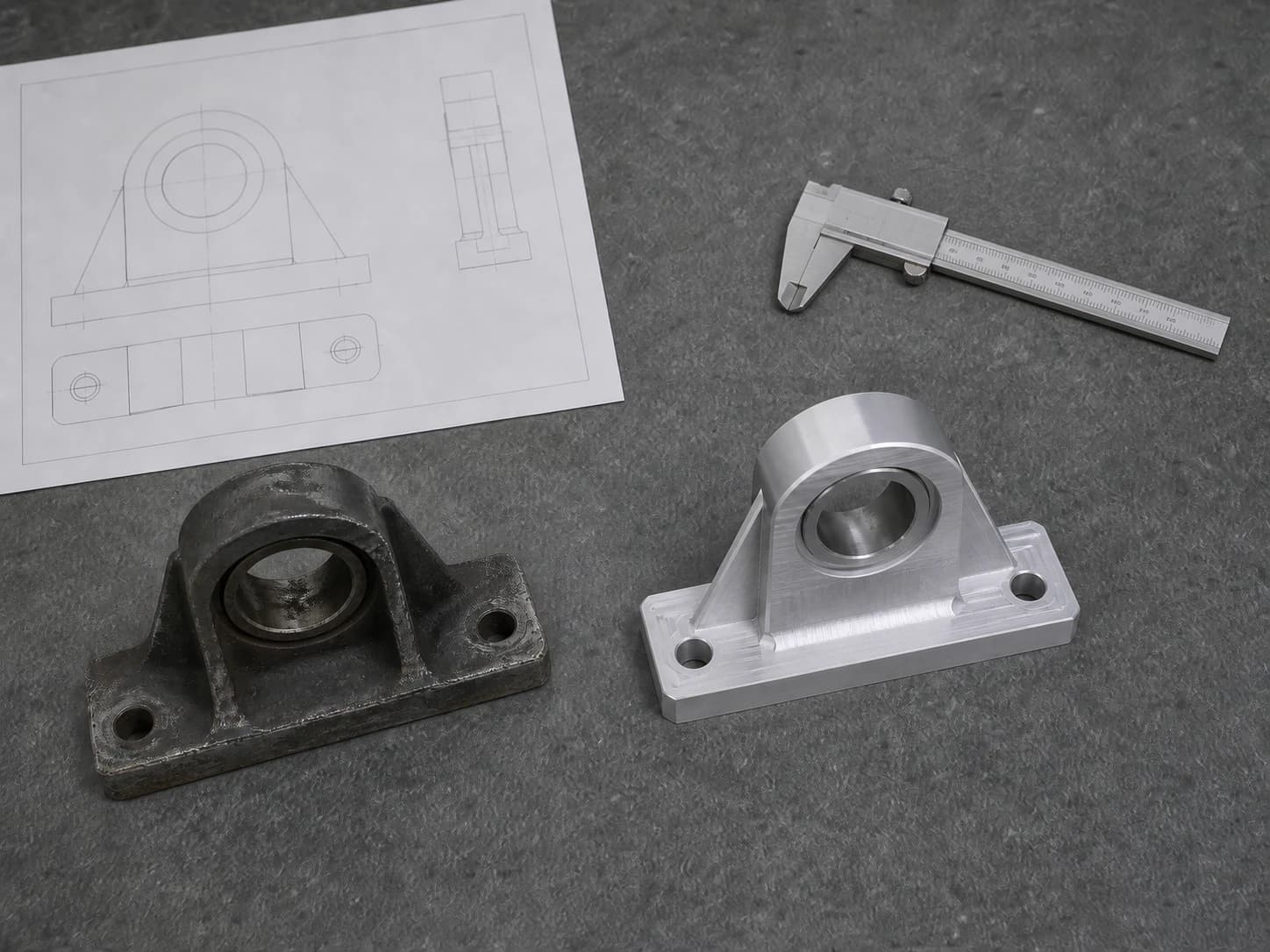
Custom replacement request map
The numbered markers match the starting points and review panel.
Illustrative scenario only; the markers organize request information, not a required workflow.
Custom job request planner
Choose a starting point to see the details that help clarify an unusual job.
A model communicates shape while the drawing or sketch identifies the dimensions, datums, finishes, threads, and inspection intent that control function.
Helpful upload
Upload STEP or STP with the matching PDF when available, and note any unresolved or flexible requirements.
Equipment fit, achievable tolerances, fulfillment, inspection, documentation, and timing are confirmed from the project information during quote review.
Capabilities
These examples help identify the likely starting point. Process fit, equipment fit, tolerances, and availability are confirmed from the project information.
Unique or discontinued components submitted from current files, photos, measurements, or existing-part context.
Early parts and revised geometry used to clarify interfaces, critical features, material, and the next project decision.
Request patterns for locating, holding, assembly, checking, and repeatable process support.
Damaged threads, bores, faces, hole patterns, or marked-up changes reviewed against the intended final condition.
Quote workflow
A short, human-managed review keeps assumptions and open questions visible before work is accepted.
Upload the available files, photos, or description plus known material, quantity, timing, and revision context.
Interfaces, critical features, sample condition, intended changes, and flexible areas are organized for follow-up.
Process fit, tolerances, fulfillment, timing, and remaining questions are resolved before acceptance.
Approved files and requirements become the reference point for project communication and delivery planning.
Request readiness
Clear intent is more useful than making every detail final before the first conversation.
Identify the fits, interfaces, datums, and finish areas that control function while leaving non-critical details open where practical.
Use the model for geometry and the drawing for requirements, revision status, dimensions, threads, finishes, and inspection intent.
Include mating geometry, assembly photos, or a short explanation of the surfaces and features that interact.
Mark photos or drawings so the intended condition is not inferred from a worn, broken, or previously modified sample.
Explain whether the request is a single replacement, a test iteration, or a part that may be needed again.
List the required completion details so their scope and availability can be confirmed during review.
Materials
Grade, form, condition, finish, and availability are confirmed for each request.
Brackets, housings, fixtures, adapters, prototypes, and lightweight one-off parts.
6061-T6 · 7075-T6 examples
View materialFixtures, gauges, wear details, tooling components, and repair-related parts where grade and condition matter.
A2 · D2 · O1 · H13 examples
View materialCorrosion-resistant custom components, fittings, brackets, hardware, and equipment details.
303 · 304 · 316/316L examples
View materialGuides, spacers, insulators, fixtures, wear parts, and lightweight non-metallic prototypes.
Acetal · UHMW · Nylon · PTFE examples
View materialContinue exploring
Review the broader machining request guide.
Review one-off, repair, and toolroom-style machining requests.
Review damaged, worn, obsolete, and controlled-rework requests.
Review fixture, gauge, tooling, and production-aid request considerations.
See common replacement-part and equipment-component applications.
See common bracket, mounting, fixture, and automation applications.
FAQ
A CAD model, drawing, sketch, clear photos, or a written project description can start the request. Add quantity, material preference, target timing, and the functional requirements you know.
Yes. Multiple clear views, key measurements, notes about wear or damage, and mating-part context can begin the review. Additional measurements or approved files may be needed before acceptance.
Submit the function, environment, interfaces, quantity, and any material constraints you know. The remaining choices can be discussed during follow-up.
Identify the interfaces, datums, critical fits, threads, finish areas, flexible features, and what the first or revised part is intended to prove.
Include the required finish, affected surfaces, critical dimensions, inspection intent, and documentation expectations in the request. Scope and availability are confirmed before acceptance.
Requests are reviewed manually. The fulfillment route and availability are confirmed before acceptance.
Start with what you have
Share the model, drawing, sketch, photos, or short description. Pearson will follow up on the details that still need confirmation.
Request a custom quote