- Equipment identity, controlled data, configuration, and intended installed state
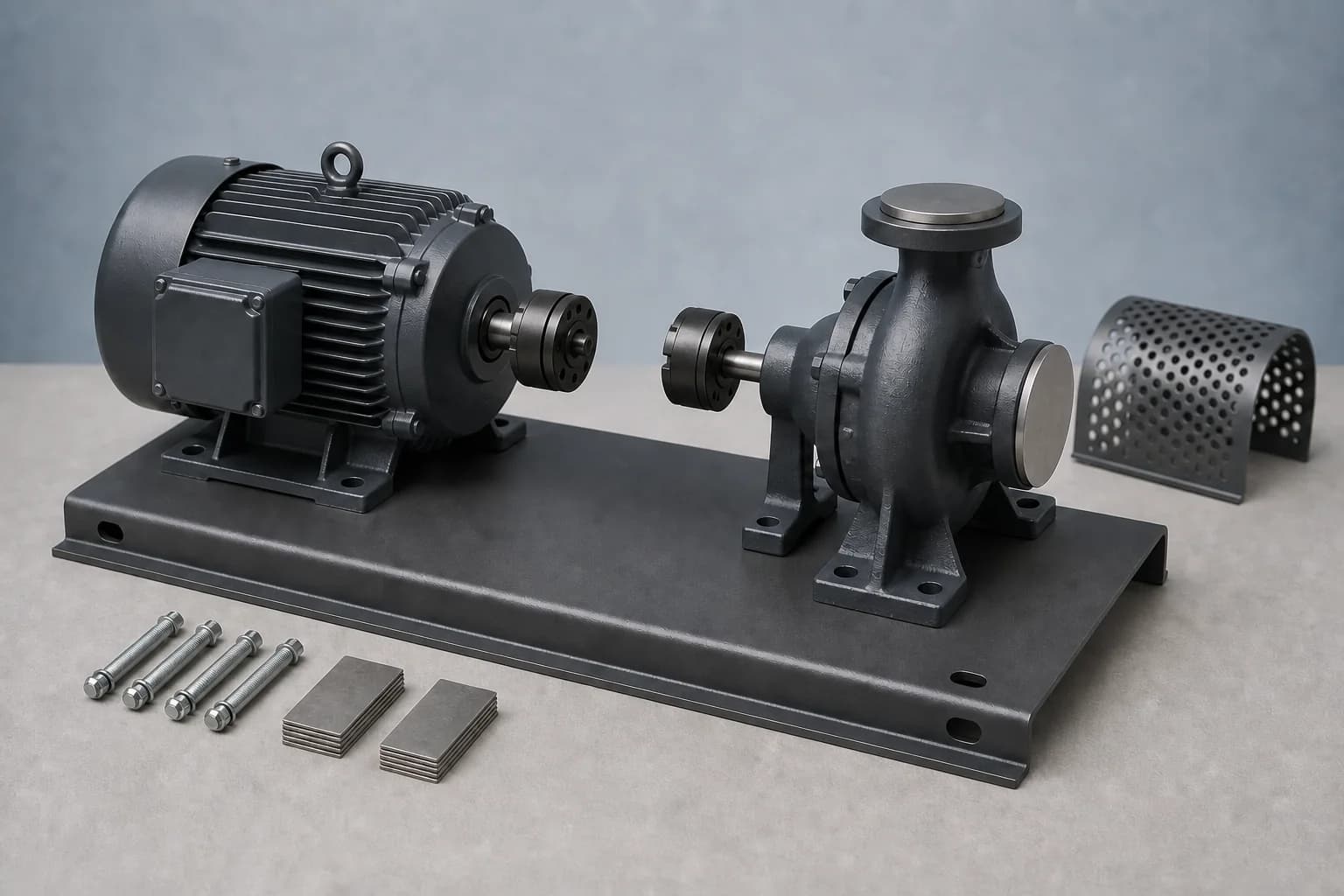
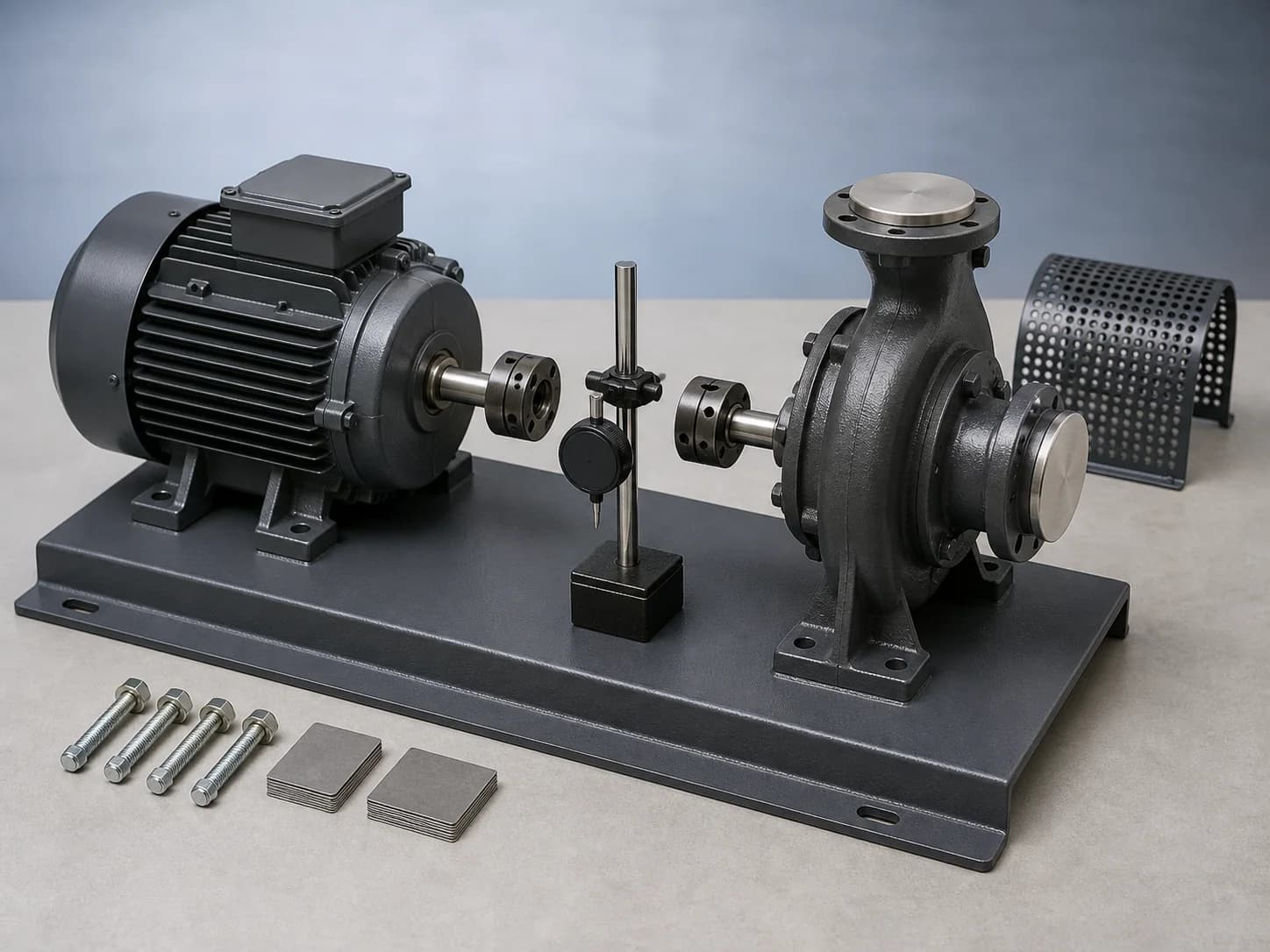
- Equipment, component or assembly name and function; manufacturer, owner part, asset or serial references when available; controlled model, drawing, layout and revision; governing installation, operation and maintenance instructions; new, replacement, relocation, retrofit or other project stage; supplied and retained components; overall envelope, footprint and orientation; mass, center of gravity and caller-designated handling points; base, feet, skid, soleplate, mounting and utility interfaces; guards and controls; required installed position, access and service clearances; and declared existing or as-found condition, permissible modification, removal and disposition boundaries.
- Destination, access, support, handling, lift, placement, and sequence
- Site and work-area location; destination coordinates, elevation and orientation; floor, slab, foundation, steelwork or other supporting structure data supplied by the owner; structural-review responsibility and status; anchor pattern and existing embedded items; grout, chock, shim and support state; access and transport path, doorways, aisles, overhead and side clearances, floor or route restrictions, staging and laydown constraints; equipment mass and center of gravity; caller-controlled lift points, pick orientation, lifting or rigging plan and equipment boundaries; temporary support or blocking; exclusion zones; owner-furnished resources; work sequence, hold points, interfaces with other work and target window.
- Datums, alignment, fastening, and mechanical or utility interfaces
- Controlling equipment, base, foundation and mating datums; position, elevation, level, plumb, straightness, parallelism, concentricity or shaft-and-coupling alignment requirements; method, limits, coupling gap and measurement state; support-foot and soft-foot definition; shim locations and restrictions; anchor, mounting-fastener, key, dowel and locking-feature identity, material or grade when caller-controlled, condition, lubrication, torque or tension value, tightening sequence, prevailing-torque treatment, witness-mark and recheck requirements; pipe, hose, duct, cable, conduit, lubrication, drain, guard, interlock and control interfaces; sizes, ratings, supports, strain or load limits, connection responsibility and protected boundaries.
- Safety responsibilities, isolation, inspection, commissioning, acceptance, and records
- Site owner and controlling-employer contacts and responsibility matrix; site orientation and access rules; hazard assessment and safe-work procedure ownership; hazardous-energy sources, isolation and zero-energy status; lock, tag, try or other caller-defined verification; permits and restricted areas; hot-work, electrical, confined-space, work-at-height, lifting or other applicable boundaries; required trade, authorization and competent-person responsibilities; guarding, interlock and emergency-stop state; pre-start-review applicability, responsible party and disposition; inspection method, measurement state and hold points; lubrication, fluid, rotation, travel, sequencing and pre-start conditions; commissioning or test steps and unloaded or loaded state; vibration, temperature, noise, leak, motion or other caller-defined criteria where applicable; acceptance and rejection criteria, punch-list and deficiency disposition, change control, requested record fields and retention, final isolation or operating state, preservation and timing.