Define the part
Connect the current files, revision, material, quantity, and functional priorities to the Brampton request.
Brampton manufacturing requests
Submit a new component, production revision, or repair reference for review. Pearson confirms the project path and Brampton handoff details before acceptance.
Service-area review
Pearson accepts quote requests from buyers in this area. Fulfillment, pickup, delivery, and shipping options are confirmed per project.
Overview
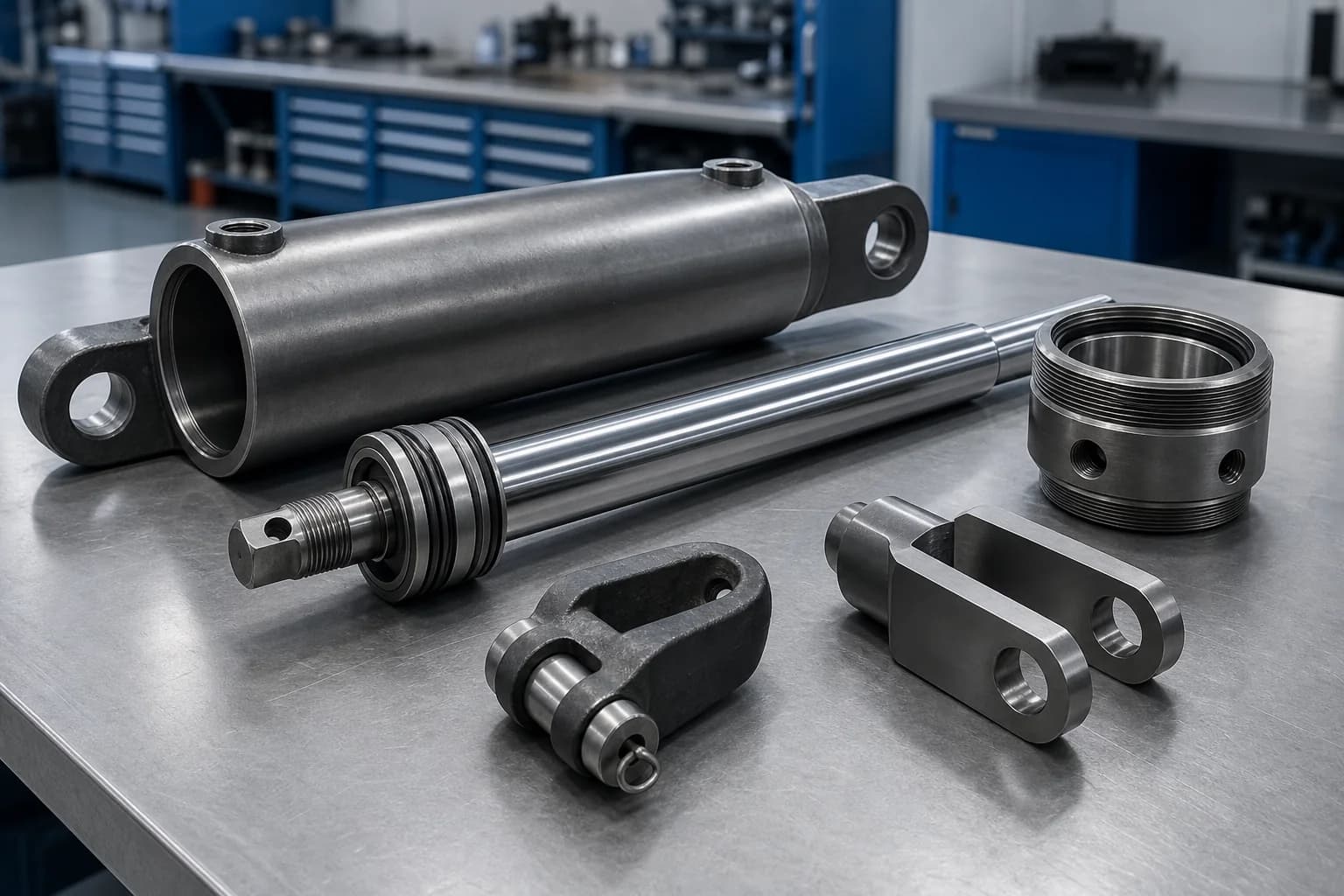
Brampton requests may begin with a drawing for a conveyor shaft, guide rail, star wheel, mounting plate, weldment, or automation bracket. Maintenance work may begin with a worn pin, bushing, cylinder rod, gland, or clevis supported by written observations and measurements.
Both paths need a decision boundary. State what must be reproduced, what may change, which mating parts remain, and how the component will be accepted. Pearson then reviews capability, timing, fulfillment, and destination.
Connect the current files, revision, material, quantity, and functional priorities to the Brampton request.
A person reviews geometry, interfaces, inspection, documentation, open questions, and acceptance needs.
Capability, fulfillment, timing, packaging, destination, and logistics are confirmed for the specific project.
Quote inputs
The available documentation may differ, but the functional requirements still need to be visible.
Interactive request planner
Select a new part, repair or replacement, or repeat request to see which references prevent assumptions during review.
Brampton service area request feature map
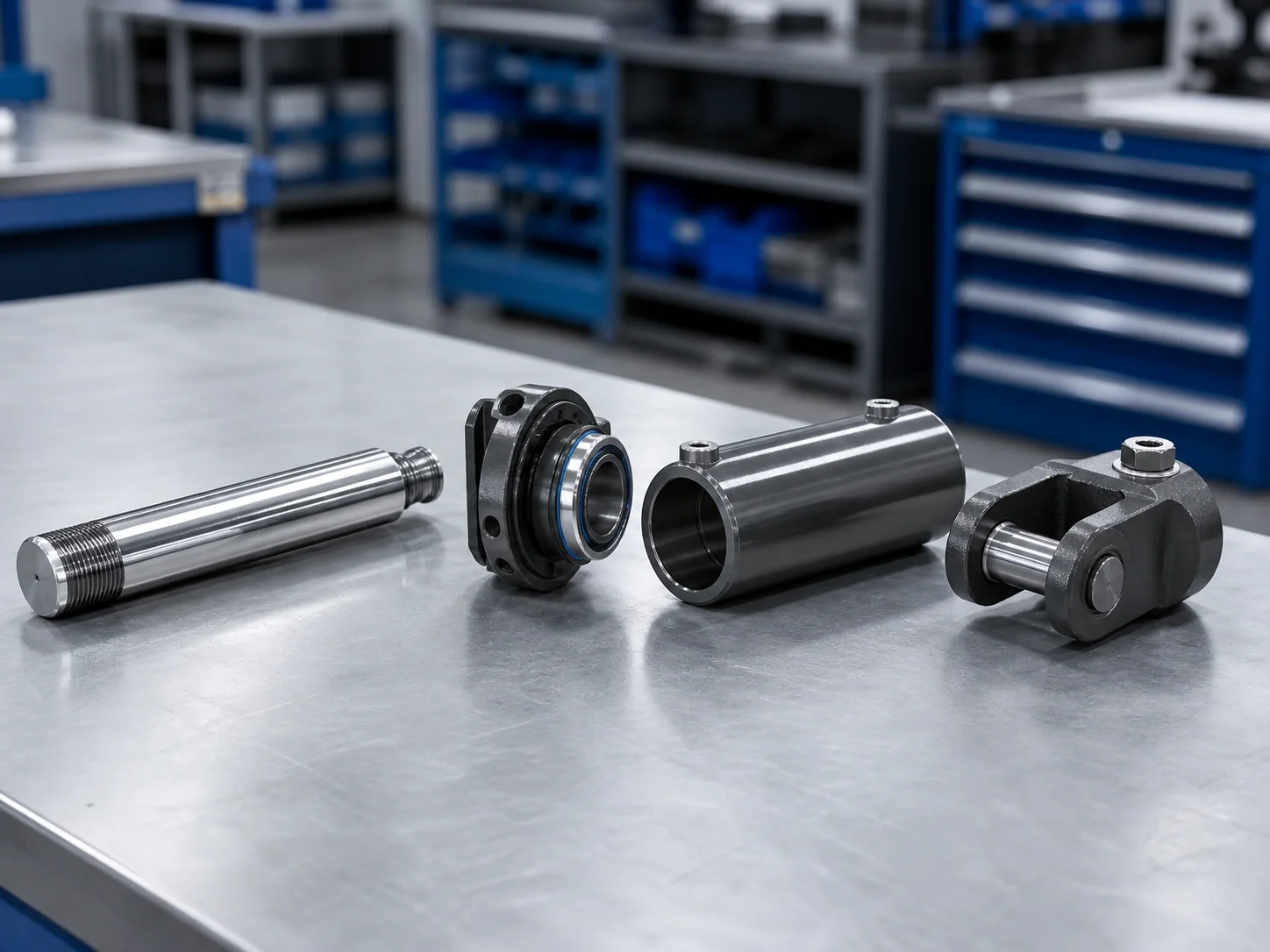
Illustrative planning layout — rod, sealing interface, and mounting details.
Illustrative planning reference only. The image and markers do not establish a provider, facility, part identity, material, process, capability, inspection result, fulfillment route, logistics result, or suitability.
Brampton service area request review
Choose a marker to review the supporting inputs.
The rod represents diameter, length, running surface, threads, wear, and treatment.
Helpful request detail
Record dimensions and damage, then add known material or coating information.
Relevant request contexts
The examples help sort the starting point; exact process fit and availability remain part of quote review.
Star wheels, rails, guides, shafts, spacers, and format-change pieces need product clearances, timing relationships, and contact-surface requirements.
Rods, glands, pistons, eyes, pins, and barrel interfaces require condition evidence, sealing geometry, fits, and surface intent.
Identify wear limits, retained datums, running clearances, mating parts, prior treatment, and the permitted restoration boundary.
Weldments and formed components should define interfaces, flatness or alignment needs, protected faces, finish, and assembly sequence.
Human-managed review flow
The review separates observed condition from design requirements and records open decisions before acceptance.
Upload the drawing or condition evidence with quantity, application, Brampton destination, and timing context.
Geometry, wear, fits, seals, mounts, material, finish, and inspection requirements are reviewed.
Process fit, repair boundary, fulfillment, timing, and documentation scope are confirmed before acceptance.
Incoming-part handling, packaging, destination, and the preferred handoff are recorded for the project.
Request readiness
Maintenance urgency should not replace the definition needed to protect fit, function, and acceptance.
Include equipment reference, part number, revision, assembly position, and quantity.
Record wear, corrosion, looseness, deformation, leakage, and previous repairs.
Call out shafts, bores, seals, pins, bearings, fasteners, and mounts.
Identify design authority and the allowed repair, remake, or replacement boundary.
Provide critical dimensions, clearance, finish, inspection condition, and records.
Include destination, condition, handling limits, outage window, and handoff.
Material guides
Existing material identity, replacement specification, stock form, condition, and availability are confirmed per request.
Review grade, temper, finish, edge condition, threads, and wear interfaces for change parts and fixtures.
View materialReview grade, corrosion context, product-contact boundaries, finish, cleaning, and traceability needs.
View materialReview hardness, treatment sequence, wear surfaces, grinding allowance, and replacement compatibility.
View materialReview formulation, wear, friction, product contact, moisture, temperature, and running clearance.
View materialRelated guides
Use these guides to separate production, repair, fluid-power, fabrication, and handoff requirements.
Review milled and turned geometry, files, critical features, and quote inputs.
Review condition, retained surfaces, repair authority, and acceptance boundaries.
Review rod, barrel, piston, gland, seal, mount, and test requirements.
Review change parts, guides, product handling, timing, sanitation, and line interfaces.
Compare the public request guides for nearby cities, Ontario, and Canada.
See how files, clarification, acceptance, and coordination move through the workflow.
FAQ
Project decisions remain tied to the submitted evidence and accepted scope rather than the service-area label.
Yes. New-part, repair, replacement, and repeat requests use the same quote flow. Capability, timing, and fulfillment are confirmed after review.
Include the model or drawing, machine interface, timing relationship, clearances, material, finish, quantity, and current revision.
Yes. Add wear observations, dimensions, mounts, prior repairs, symptoms, and material. Controlled files may still be required.
State equipment status, required date, incoming-part availability, and destination. Timing is reviewed with technical and logistics scope.
Include destination, handling, packaging, and preferred handoff. Available options and timing are confirmed per project.
Requests are reviewed manually. Fulfillment and availability are confirmed before acceptance, with Pearson as the coordinated contact.
Start with the evidence you have
Share the drawing or written description, application, quantity, and handoff needs. Pearson will identify the remaining questions during review.
Request a machining quote