Define the part
Connect the current files, revision, material, quantity, and functional priorities to the Mississauga request.
Mississauga manufacturing requests
Share a STEP, IGES, Parasolid, SolidWorks, DXF, DWG, STL, 3MF, or PDF file, a ZIP package, or a written description. Pearson reviews the requirements before confirming the project path.
Service-area review
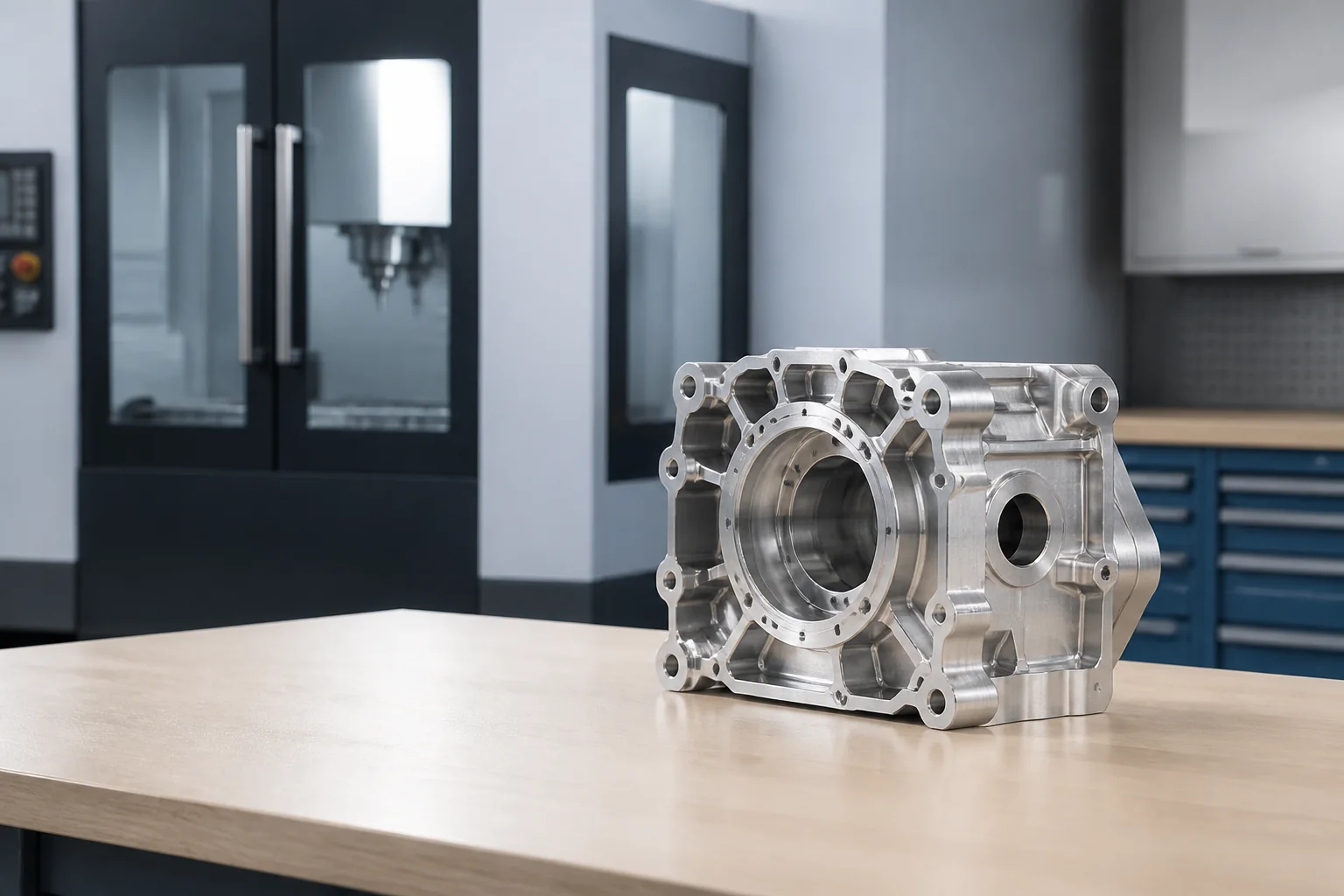
Pearson accepts quote requests from buyers in this area. Fulfillment, pickup, delivery, and shipping options are confirmed per project.
Overview
A Mississauga request can begin with a drawing, model, marked-up PDF, or written description. Add the part function and fixed details such as datum faces, bore fits, hole patterns, sealing surfaces, or cosmetic requirements.
Pearson reviews those inputs before acceptance. State the destination, receiving limits, packaging constraints, preferred handoff, and requested inspection records so the quote reflects the actual project.
Connect the current files, revision, material, quantity, and functional priorities to the Mississauga request.
A person reviews geometry, interfaces, inspection, documentation, open questions, and acceptance needs.
Capability, fulfillment, timing, packaging, destination, and logistics are confirmed for the specific project.
Quote inputs
Share what is known. Unknown details can be identified for follow-up instead of guessed.
Interactive request planner
The planner keeps new production parts, repair references, and repeat requests distinct so the right evidence travels with the quote.
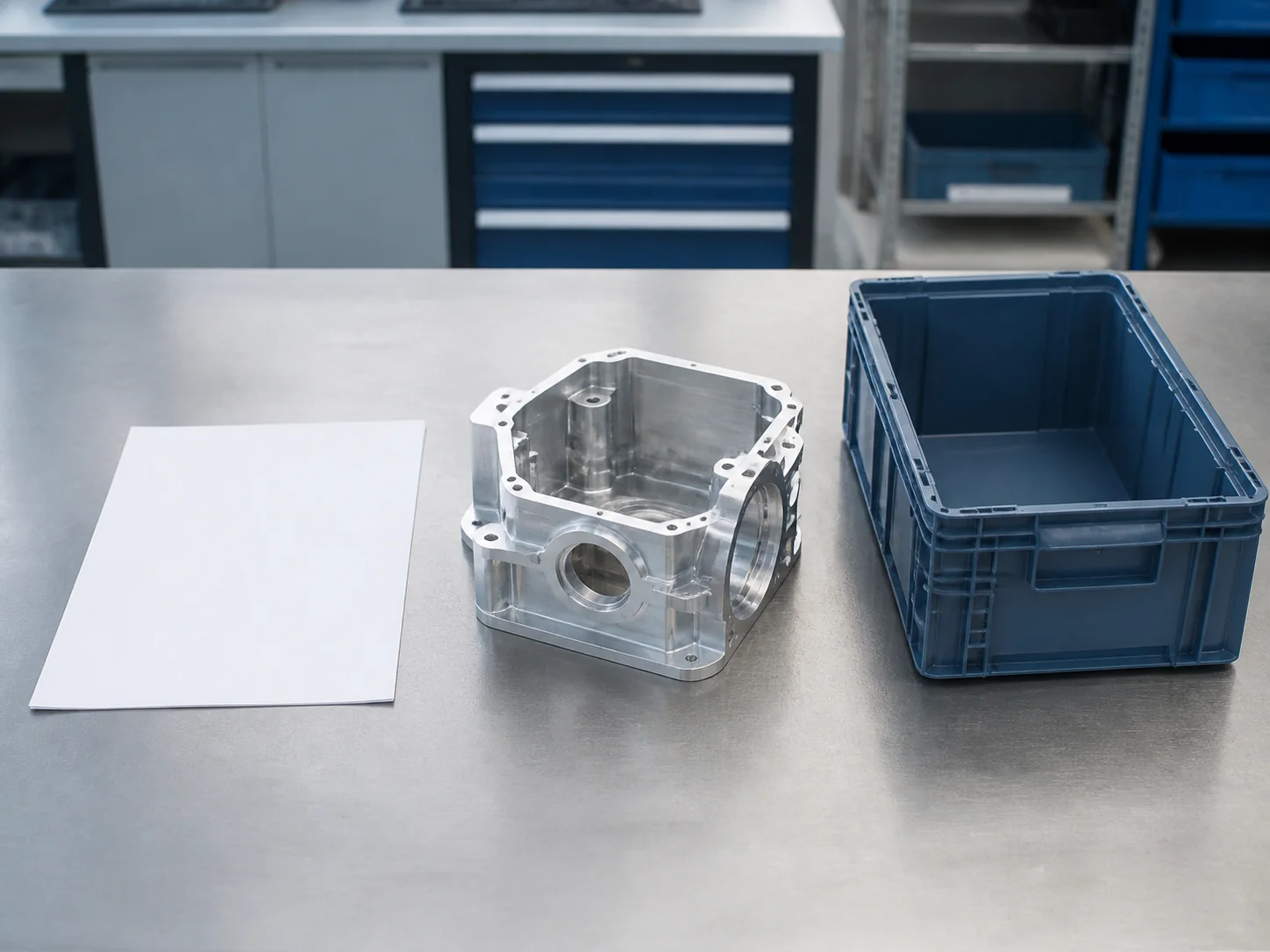
Mississauga service area request feature map
Illustrative planning layout — requirements, geometry, and project handoff.
Illustrative planning reference only. The image and markers do not establish a provider, facility, part identity, material, process, capability, inspection result, fulfillment route, logistics result, or suitability.
Mississauga service area request review
Choose a marker to review the supporting inputs.
The drawing represents geometry, material, quantity, finish, and acceptance requirements.
Helpful request detail
Upload both files when available and identify the controlling revision.
Relevant request contexts
These starting points cover common part geometries without implying equipment, capacity, or availability.
Pocketed housings, mounting plates, jigs, nests, and datum-rich fixtures benefit from clear interface and hole-pattern definitions.
Rotational parts should identify bearing seats, seal diameters, shoulders, runout relationships, threads, and mating components.
Brackets, guides, stops, and line-change components need machine references, adjustment ranges, and protected contact surfaces.
Datum schemes, critical characteristics, measurement conditions, sampling, and requested record fields should be named before review.
Human-managed review flow
Each stage keeps assumptions visible and leaves capability, fulfillment, timing, and logistics subject to the project review.
Upload the available files with quantity, material preference, application, and Mississauga destination.
Geometry, tolerances, interfaces, finish, inspection, documentation, and open questions are organized.
Process fit, fulfillment, timing, and quality scope are confirmed before acceptance.
Packaging, destination, receiving constraints, and the preferred handoff are recorded for the accepted project.
Request readiness
Clear functional intent matters more than adding tight requirements to every feature.
Use the model for geometry and the drawing for critical dimensions, finishes, and notes.
Identify mounting faces, locating bores, pin holes, and assembly relationships.
Include specification, condition, stock form, and substitution boundary.
Separate prototype, current production, and repeat quantities.
Name critical characteristics, sampling, methods, and record fields.
Provide destination, receiving limits, packaging, and preferred handoff.
Material guides
Grades, forms, conditions, finishes, and availability are confirmed for the specific request.
Review grade, temper, finish, thread, and cosmetic-surface considerations for housings and plates.
View materialReview grade identity, condition, finish, corrosion context, and passivation requirements when applicable.
View materialReview hardness intent, heat-treatment sequence, stock condition, grinding allowance, and wear surfaces.
View materialReview resin or formulation, moisture and temperature context, fit, wear, and dimensional stability.
View materialRelated guides
Use these guides to clarify the process family, inspection intent, or application context before submitting files.
Review pockets, profiles, hole patterns, datums, and multi-face geometry.
Review diameters, shoulders, grooves, threads, bores, and runout relationships.
Organize critical characteristics, methods, sampling, acceptance, and record needs.
Review machine interfaces, service access, wear points, and equipment context.
Compare the public request guides for other cities, Ontario, and Canada.
See how files, follow-up, acceptance, and project coordination fit together.
FAQ
The answers keep project-specific decisions in the quote review rather than treating a location page as a promise.
Yes. Submit the available files and requirements. Process fit, tolerances, availability, and fulfillment are confirmed after review.
A STEP or STP model with a PDF drawing is ideal. Other supported CAD formats, ZIP, or a written description can also begin review.
Yes. Include dimensions, wear observations, retained interfaces, material, and operating context. Controlled files may still be required.
Mark functional features and acceptance needs. Achievable tolerances, measurement approach, sampling, and records are confirmed during review.
State the destination and preferred handoff. Available pickup, delivery, packaging, and shipping options are confirmed per project.
Requests are reviewed manually. Fulfillment and availability are confirmed before acceptance and recorded in the project scope.
Start with the files you have
Share the part, purpose, quantity, and local handoff needs. Pearson will follow up on the details that still require confirmation.
Request a machining quote