Define the part
Connect the current files, revision, material, quantity, and functional priorities to the Ontario request.
Ontario manufacturing requests
Large components and distance-sensitive projects need more than a city name. Pearson reviews geometry, support, handling, inspection, fulfillment, destination, and timing before acceptance.
Service-area review
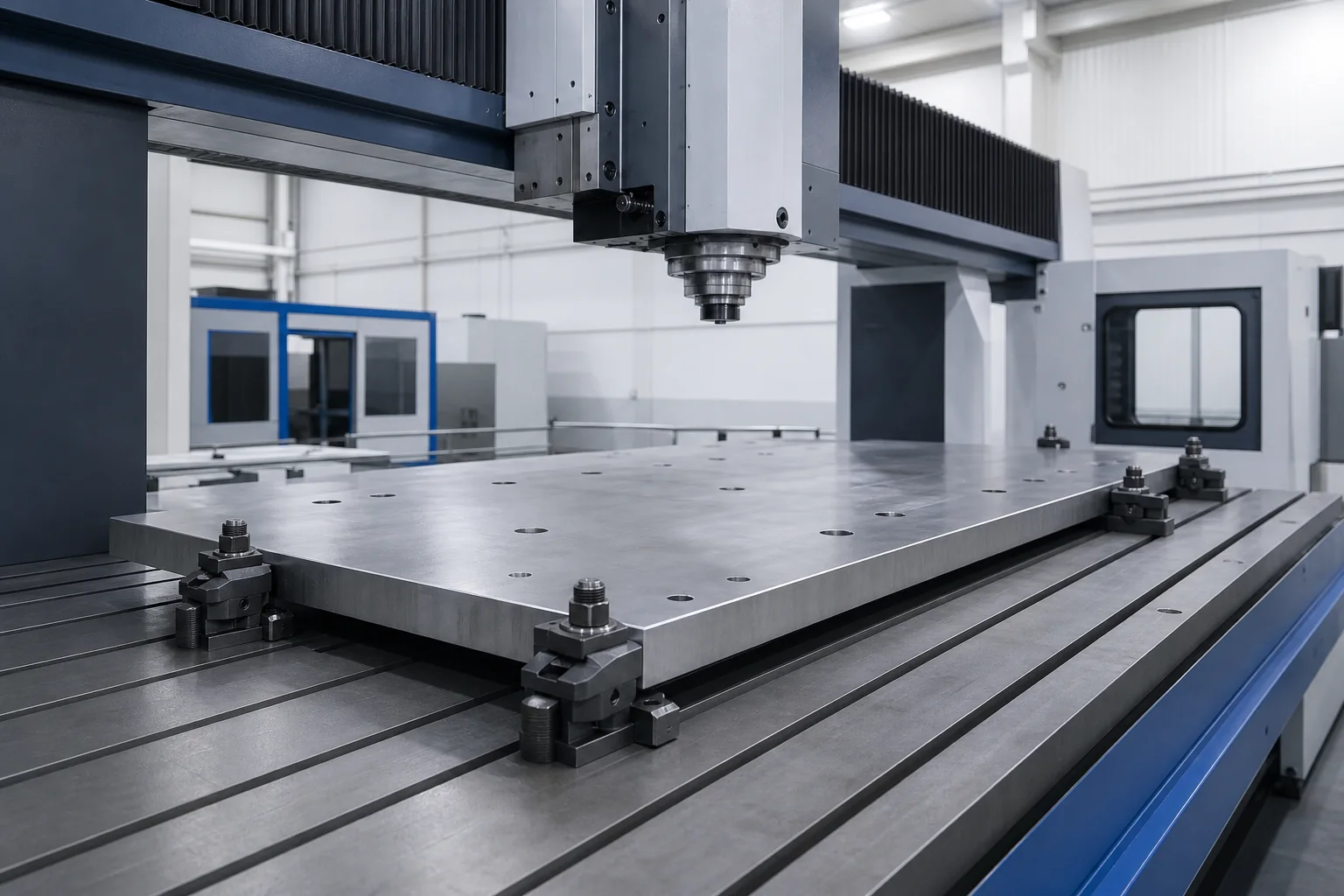
Pearson accepts quote requests from buyers in this area. Fulfillment, pickup, delivery, and shipping options are confirmed per project.
Overview
An Ontario request may involve a baseplate, weldment, tube sheet, baffle, flange, machine bed, crusher component, agricultural wear part, bearing housing, or repair reference. Size alone is insufficient; support, feature continuity, lifting, inspection, and destination also matter.
Provide dimensions and mass when known, plus centre of gravity, lifting restrictions, transport support, receiving limits, and measurement state. Capability, fulfillment, packaging, timing, and documentation are confirmed per project.
Connect the current files, revision, material, quantity, and functional priorities to the Ontario request.
A person reviews geometry, interfaces, inspection, documentation, open questions, and acceptance needs.
Capability, fulfillment, timing, packaging, destination, and logistics are confirmed for the specific project.
Quote inputs
The quote should connect geometry and acceptance to realistic handling and destination constraints.
Interactive request planner
The sample baseplate highlights support, long-pattern continuity, and edge securement without implying a specific process result or capacity.
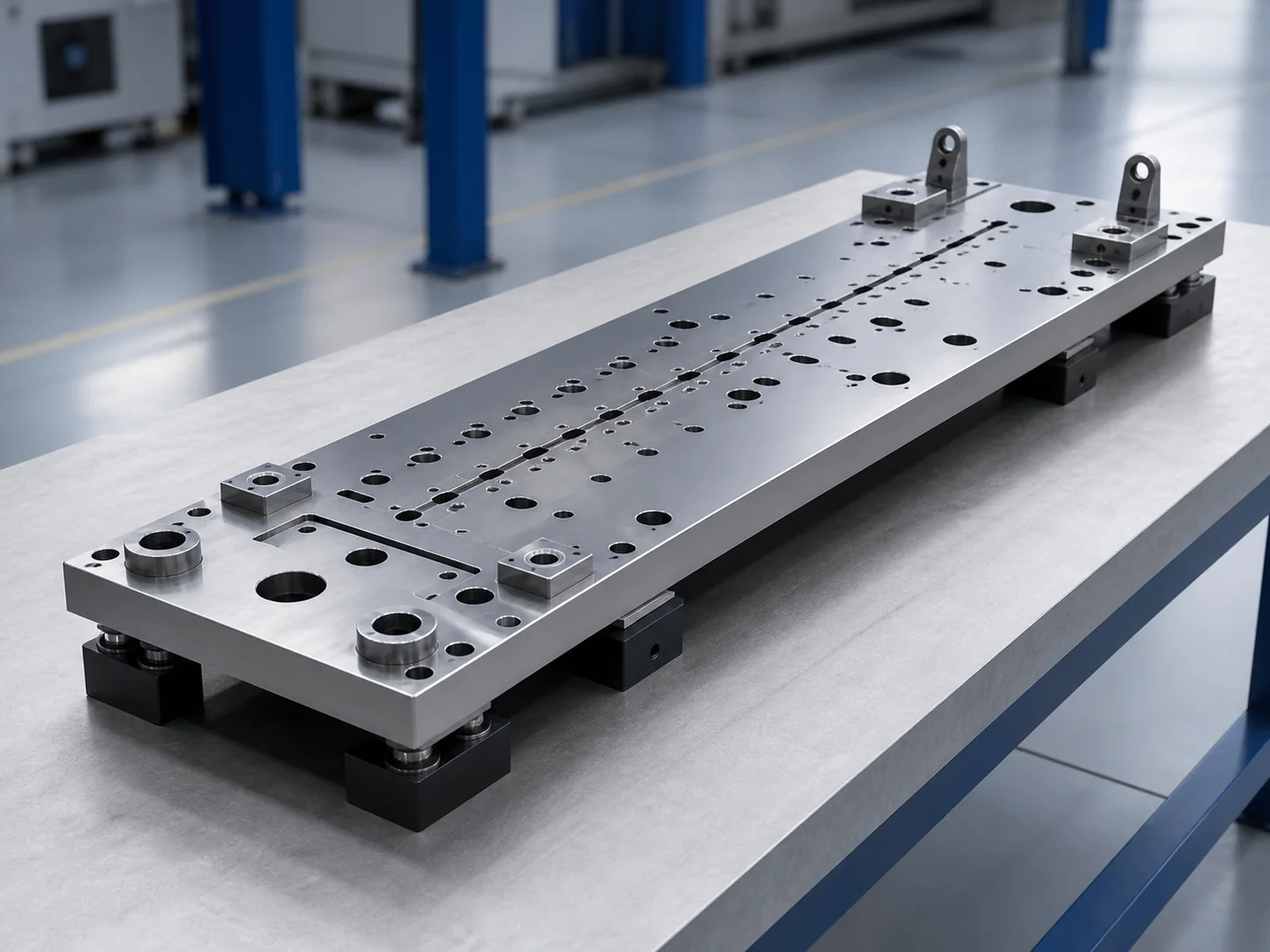
Ontario service area request feature map
Illustrative planning layout — support, feature continuity, and handling details.
Illustrative planning reference only. The image and markers do not establish a provider, facility, part identity, material, process, capability, inspection result, fulfillment route, logistics result, or suitability.
Ontario service area request review
Choose a marker to review the supporting inputs.
The pads represent datum contact, restraint, flatness, load transfer, and distortion risk.
Helpful request detail
Show supports and state when the dimensions apply.
Relevant request contexts
These categories help organize the review; exact size fit, process path, capacity, and logistics remain unconfirmed until quoting.
Define weld condition, stress-relief history, support, datum pads, long patterns, machined planes, lift points, and final assembly state.
Identify material, hole map, sealing faces, pass partitions, coatings, inspection coverage, records, and equipment reference.
Document incoming condition, wear, retained geometry, prior treatment, mating equipment, outage timing, and repair authority.
State load path, wear mechanism, replaceable interfaces, hard-facing or treatment history, fasteners, alignment, and handling.
Human-managed review flow
The accepted project needs one consistent reference for geometry, handling, documentation, destination, and timing.
Upload files with material, envelope, mass, quantity, condition, application, and Ontario destination.
Support, access, datums, inspection, lifting, protection, and open requirements are evaluated.
Process fit, fulfillment, timing, documentation, packaging, and logistics are confirmed before acceptance.
The accepted scope records destination, carrier constraints, receiving needs, identification, and project contacts.
Request readiness
Large-component drawings need to explain condition, support, inspection, and handling as clearly as nominal geometry.
Provide dimensions, mass, protrusions, removable items, and orientation.
Identify raw, welded, treated, coated, assembled, worn, or repaired condition.
Show setup pads, final mounts, free-state expectations, and sensitive relationships.
Use named datums for patterns, bores, rails, sealing faces, and alignment.
State measurement condition, coverage, acceptance, and record fields.
Include lift points, protection, unloading limits, destination, and timing.
Material guides
Material identity, form, condition, treatment history, finish, and availability remain project-specific.
Review alloy, hardness, treatment sequence, wear surfaces, repair history, and machining allowance.
View materialReview grade, condition, corrosion environment, weld state, finish, cleaning, and traceability.
View materialReview grade, casting condition, soundness evidence, datum strategy, repair boundary, and handling.
View materialReview alloy, temper, plate condition, flatness, finish, inserts, joining, and surface protection.
View materialRelated guides
Explore guides for long parts, process equipment, repair decisions, heavy applications, and project workflow.
Review envelope, mass, support, access, handling, inspection, and acceptance inputs.
Review long planes, feature patterns, setup references, distortion, and measurement state.
Review tube sheets, baffles, flanges, hole maps, sealing faces, and records.
Review wear, heavy interfaces, remote-site context, handling, and maintenance evidence.
Compare the public request guides for cities, Ontario, and Canada.
See how review, clarification, acceptance, coordination, and handoff fit together.
FAQ
The destination informs the review, but it does not establish capability, fulfillment, carrier, or timing.
Yes. Include model, drawing, envelope, mass, material, quantity, destination, and handling constraints. Size fit is confirmed during review.
Provide the weld drawing, condition, treatment history, support scheme, machined features, lift points, quantity, and destination.
Mark protected faces, sealing edges, protrusions, precision fits, tie-down exclusions, orientation, and packaging requirements.
Yes. Add damage observations, dimensions, mating equipment, condition, operating context, material history, and repair boundary. Controlled files may still be required.
State destination, receiving limits, envelope, mass, packaging, and target date. Logistics and transit timing are confirmed per project.
No. Fulfillment, process availability, quality scope, and the point of contact are confirmed before acceptance.
Start with geometry and destination
Share the component, support, handling, acceptance, and destination details. Pearson will follow up on the remaining decisions.
Request a machining quote