Define the part
Connect the current files, revision, material, quantity, and functional priorities to the Toronto request.
Toronto manufacturing requests
Move from a digital design package to a human-reviewed project scope. Pearson reviews geometry, interfaces, quantity, quality intent, fulfillment, and Toronto handoff requirements before acceptance.
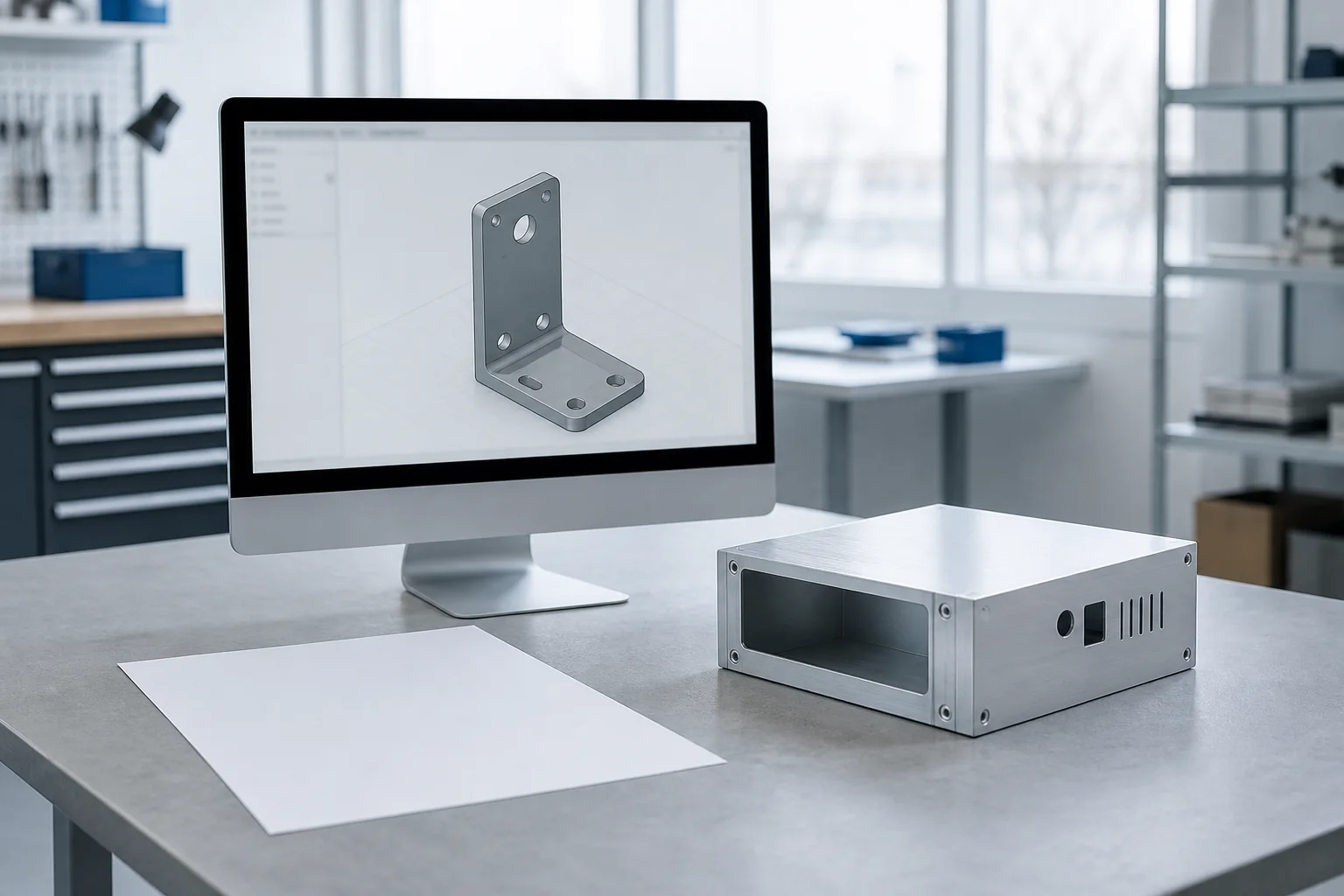
Service-area review
Pearson accepts quote requests from buyers in this area. Fulfillment, pickup, delivery, and shipping options are confirmed per project.
Overview
Toronto teams may be developing a robotics bracket, electronics enclosure, heat sink, optical mount, laboratory fixture, sensor housing, or prototype assembly. A useful request connects CAD geometry to functional interfaces and acceptance notes.
State the design stage. A proof-of-concept, engineering prototype, validation unit, bridge quantity, and repeat order carry different questions about revision, finish, inspection, documentation, and change authority.
Connect the current files, revision, material, quantity, and functional priorities to the Toronto request.
A person reviews geometry, interfaces, inspection, documentation, open questions, and acceptance needs.
Capability, fulfillment, timing, packaging, destination, and logistics are confirmed for the specific project.
Quote inputs
A clean file set helps distinguish model geometry from the requirements that belong on the drawing.
Interactive request planner
Use the three markers to connect the profile, feature pattern, and side interface to the supporting files and handoff notes.
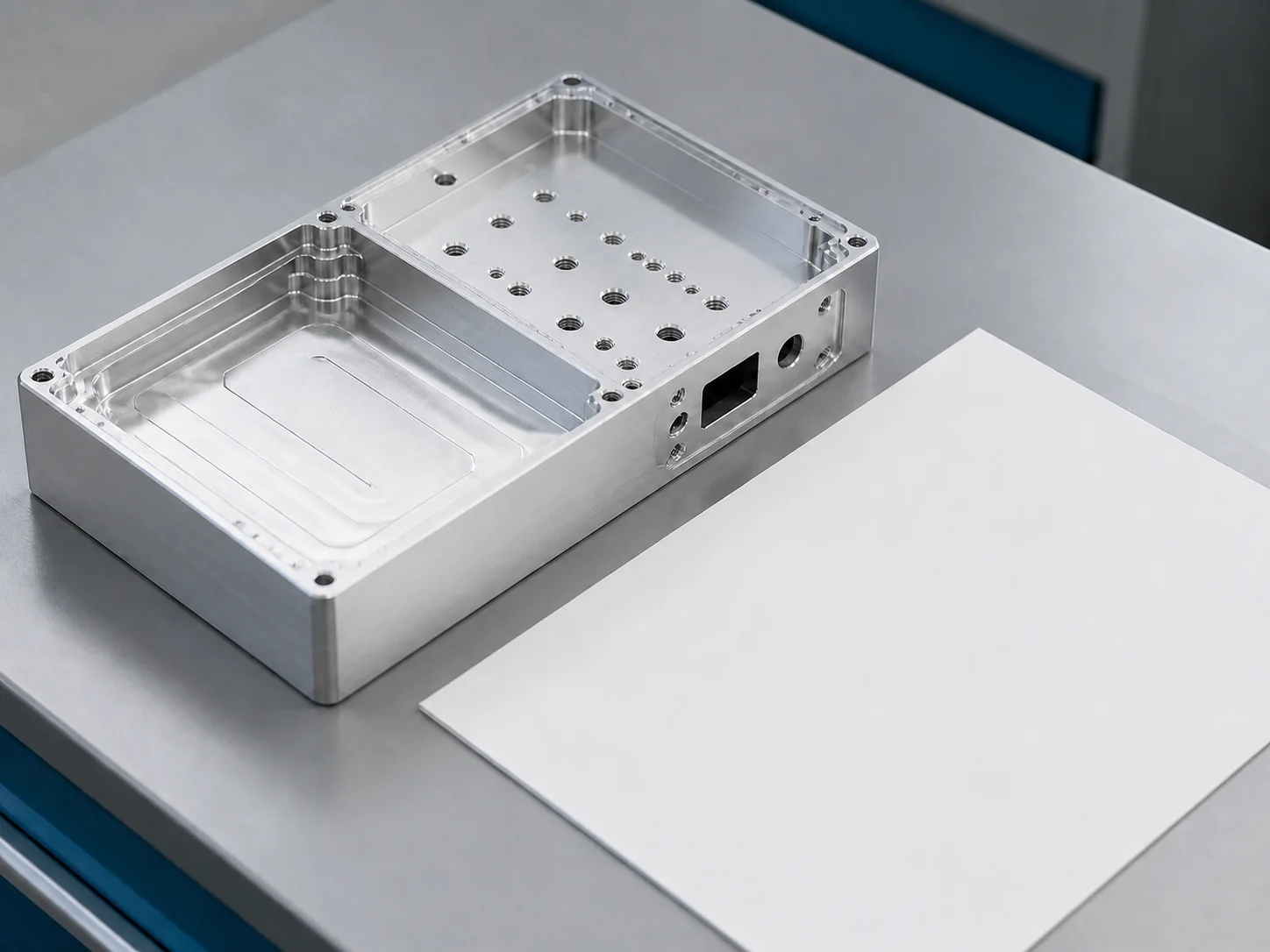
Toronto service area request feature map
Illustrative planning layout — geometry, feature pattern, and interface review.
Illustrative planning reference only. The image and markers do not establish a provider, facility, part identity, material, process, capability, inspection result, fulfillment route, logistics result, or suitability.
Toronto service area request review
Choose a marker to review the supporting inputs.
The profile represents walls, internal clearance, datums, corner access, and cosmetic boundaries.
Helpful request detail
Add a section that marks protected walls, mating faces, and clearances.
Relevant request contexts
These examples organize design questions; they do not establish process fit, tolerance, equipment, or availability.
Define board supports, connector cutouts, thermal interfaces, cover fits, sealing edges, fasteners, finish, and cosmetic surfaces.
Clarify axis interfaces, bearings, shafts, dowels, cable paths, travel clearance, stiffness, and service access.
Identify optical or sensor references, adjustment range, stability needs, protected surfaces, cleaning context, and assembly state.
Separate learning objectives, frozen interfaces, changeable features, validation notes, immediate quantity, and repeat assumptions.
Human-managed review flow
The review ties each decision to the current revision before a project is accepted.
Upload the model, drawing, quantity, product context, current revision, and Toronto destination.
Geometry, access, material, finish, critical dimensions, inspection, and open design questions are organized.
Process fit, fulfillment, timing, acceptance, and documentation are confirmed before acceptance.
Packaging, identification, revision reference, and project-specific logistics are recorded.
Request readiness
A concise drawing can carry the functional decisions that are not evident in the solid model.
Align model, drawing, part number, revision, date, and quantity.
Name boards, motors, bearings, connectors, optics, seals, and mating housings.
Distinguish fit, thermal, sealing, alignment, cosmetic, and clearance requirements.
Identify visible faces, protected contacts, masking, and coating-free threads.
Connect prototype objectives to fit checks, records, and permitted changes.
Include destination, identification, packaging, mating parts, and documents.
Material guides
Material selection remains tied to application, grade, condition, finish, stock form, and availability.
Review grade, temper, thermal intent, finish, threads, inserts, cosmetic surfaces, and flatness needs.
View materialReview grade, condition, corrosion context, finish, cleaning, weld boundaries, and traceability.
View materialReview alloy, conductivity or thermal function, joining, surface protection, finish, and handling.
View materialReview formulation, dimensional stability, temperature, moisture, wear, insulation, and cosmetic intent.
View materialRelated guides
Explore the service and application guides that match compact hardware, prototypes, instruments, and automation.
Review pockets, walls, multi-face features, datums, patterns, and finish planning.
Review small features, fragile geometry, burr limits, inspection, and handling.
Review build orientation, support boundaries, material, post-processing, and acceptance state.
Review motion interfaces, fixtures, integration, cable paths, sensing, and service access.
Compare the public request guides for the GTA, Ontario, and Canada.
See how file review, clarification, acceptance, and project coordination work.
FAQ
Digital intake reduces travel, but it does not replace the project-specific technical and logistics review.
Yes. Submit project files and requirements remotely. Capability, fulfillment, timing, and physical handoff are confirmed during review.
Provide a STEP or STP model and current PDF drawing. Add holes, threads, mating interfaces, finishes, quantity, and inspection needs.
Yes. Identify frozen interfaces, open decisions, learning objective, allowed changes, material, and quantity. Unknowns remain follow-up items.
Reference the prior project, submit the current revision, list each change, and separate new quantity and timing.
Include destination, packaging, identification, and preferred handoff. Available logistics and timing are confirmed per project.
Submit only information needed for review. Identify any NDA, access, handling, or distribution requirement needing separate confirmation.
Start with the current revision
Share the model, drawing, prototype context, quantity, and handoff needs. Pearson will follow up on the details still open.
Request a machining quote